
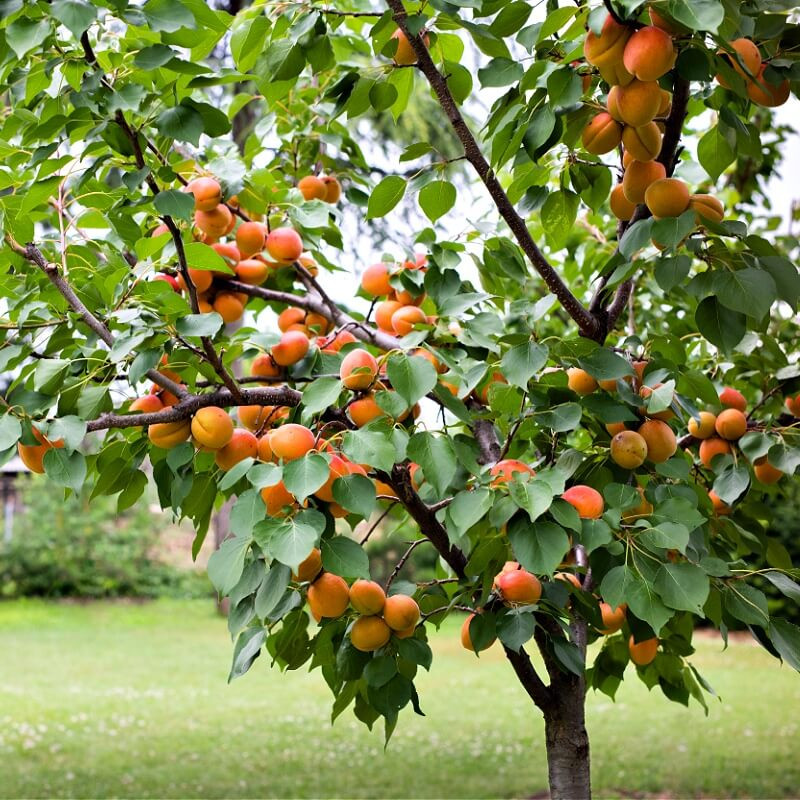
Apricot Fruit Trees
$29.99
—$44.99
- Size
Product Details
The Apricot Fruit Tree is just as beautiful as it is delicious. This easy-care tree is perfect for the gardener who wants a fruit tree that won’t give them too much trouble. Botanical name Prunus armeniaca, it grows in most places with adequate chill hours in the winter and warmer temperatures during spring. It’s drought tolerant when established and one of the easiest fruit trees to grow once you get it through its first year. It naturally grows into a nice shape with very little pruning. In the spring before the foliage is fully developed, it has masses of soft pink to white flowers.
Growing and Caring for Apricot Fruit Trees
This fruit tree is ideal for the beginner or experienced gardener that would like to start their first fruit tree. It doesn’t require special fertilizer programs or soil conditions. If you plant it in well-drained soil and water it regularly for the first year, you’ll be on your way to growing a prize tree. Prunus armeniaca is quite tolerant of heat and short drought periods once established. It can even handle fluctuations in seasonal temperatures once it grows its root system. If you choose the correct zone plant your tree in full sun and you’re sure to have a happy tree.
Plant Apricot Trees in Your Favorite Grow Zone
If you live in a grow zone that doesn’t have harsh winters but has enough chill hours to meet the trees requirements yours will grow like clockwork every year. You can expect to see healthy leaves, nice branching structure, and annual fruit production with proper planting site selection. Full sun is important for sweet fruit and plant disease prevention. Choose a location that gets at least six hours of sun a day. This tree likes well-drained soil but can tolerate many different kinds of soil. If your soil is heavy clay, you can amend the soil with compost. If you have sandy soil, add mulch to help hold in moisture. When the tree gets established you will notice that the roots grow deep. Once established you will rarely if ever have to worry about watering your tree during the summer months. Trees that grow in their ideal grow zone will fit anywhere in your landscape design. You can use several as a staple throughout your yard or down a sideline. Or you can use one as a focal point in the middle of your yard. Since it doesn’t get overly large or unruly you can pretty much design around it.
Easy Care and Beautiful Apricot Trees
Apricot Fruit TreeThey aren’t high maintenance and once established you can pretty much forget about it. During its first season watering weekly will encourage the roots to grow stronger. After that there is not much you have to do. During a prolonged dry period, give it a deep watering every couple of weeks to help alleviate stress. The tree should bounce right back once we have some rainfall. You can prune your tree but unlike other trees you won’t have to do much. Remove any dead wood you see as well as any branches that are crossed over and might prick your eye. Doing this type of maintenance every year will promote good airflow and healthier branches. Healthy branches mean more and better fruit production year after year. Fertilizing your tree isn’t necessary but if you want to give your tree a little extra love. You can feed it a slow-release fertilizer in the spring before growth begins. If you prepare the soil beforehand by adding organic matter a fertilizer might not be needed at all. Patience will be rewarded when growing this tree. Every year you will watch it branch out more and produce more canopy. There will also be an annual increase in fruit production as your tree gets established.
Apricot Trees A Fruit Tree with Delicious Fruit
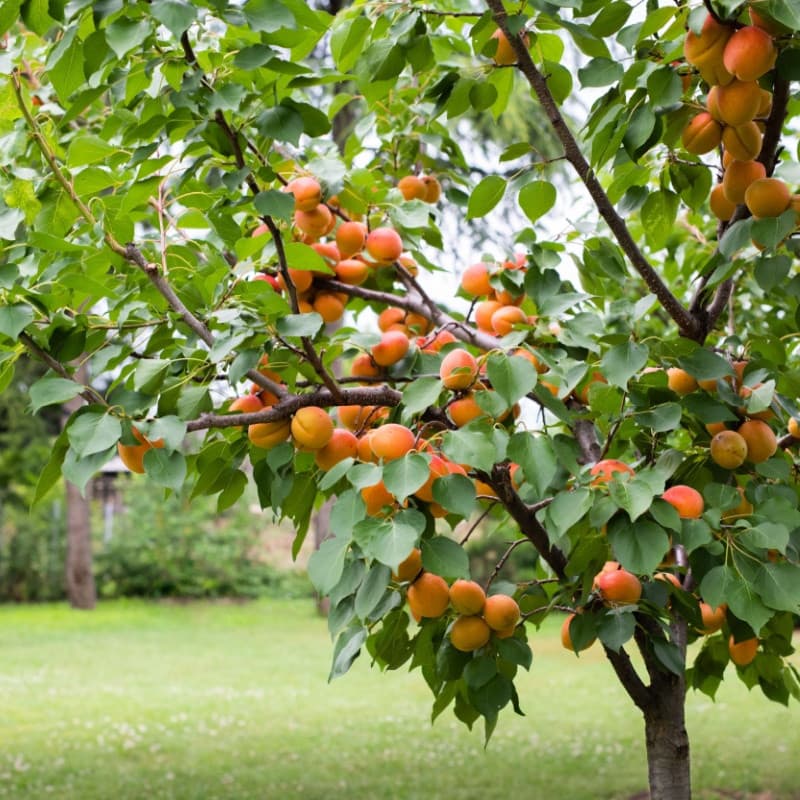
Fruit PlantWhen you think of fruit trees that are easy to grow and maintain you can’t go wrong by planting it. Not only are they easy, but they also produce delectable fruit year after year. The skin on these from your tree will be smooth with a nice warm color when ripe. The fruit will have a perfect balance of sweetness and tartness that you just can’t get from store-bought. Picking your fruit can be done as the fruit reaches your desired level of ripeness. Since the branches aren’t overloaded you will get even ripening throughout the tree. Few fruit trees produce like an Apricot