Cistena Plum Tree
$27.99
—$44.99
- Size
Product Details
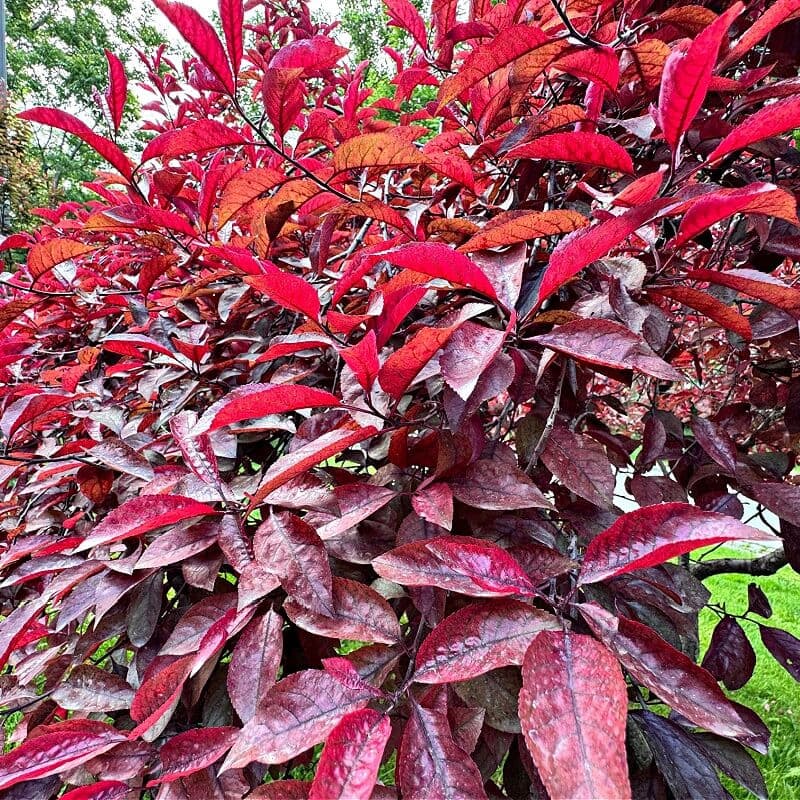
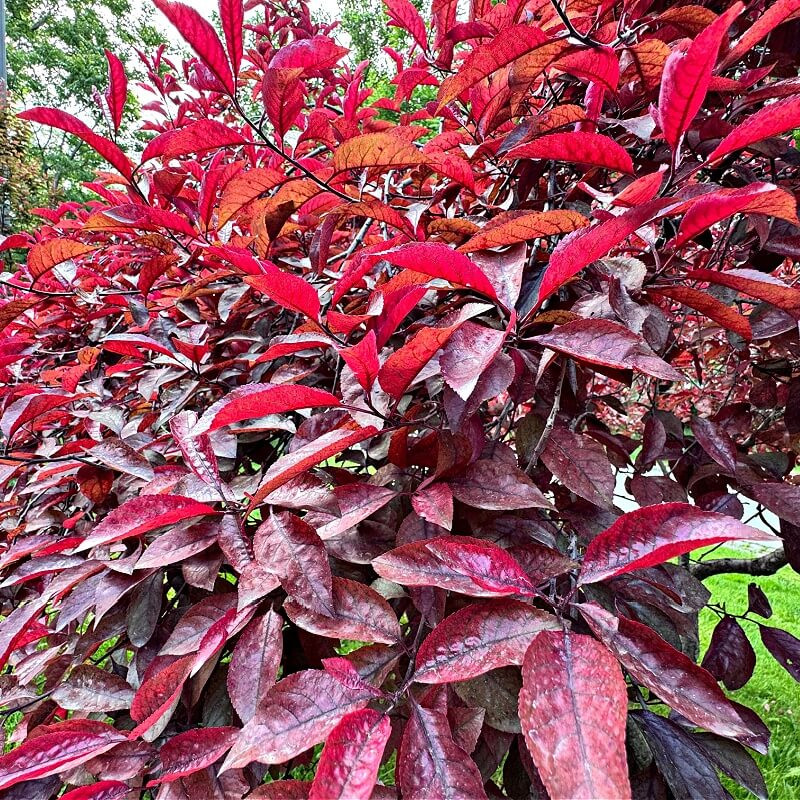
Picking the right ornamental trees for your yard can be a challenge, but a Cistena Plum Tree is often the first thing I suggest when people ask for rich color with easy maintenance. Why? It’s because it has a reputation for being a hardy plant with a fast growing habit and provides good value almost right away. Botanically called Prunus × cistena, it’s a popular ornamental for its dark purple leaves that can add contrast all through the spring, summer, and fall seasons even if nothing else is blooming. It’s also a landscape tree that many gardeners say acts like a helpful gardening ally rather than a demanding focal point. Plant it and watch as it gets comfortable, matures at a moderate rate, and integrates seamlessly into your home landscape, entryways, and border plantings without requiring too much work.
Cistena Plum Tree Growth Habit and Form
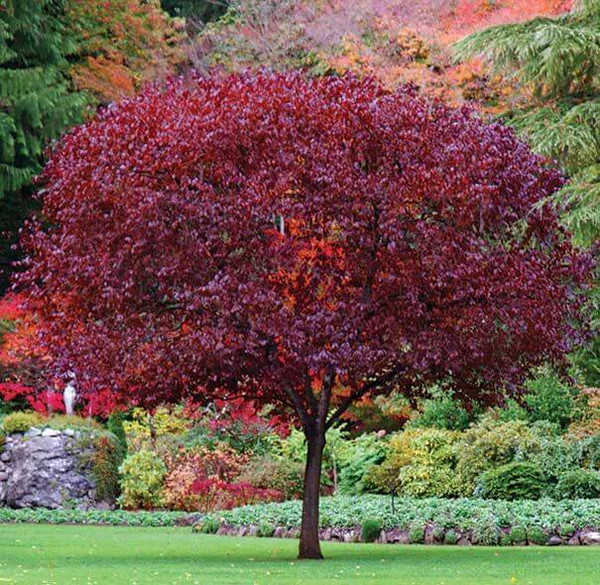
The growth habit of Prunus × cistena is a major reason for its appeal in many landscapes. It naturally forms a small tree or a large shrub with a rounded shape, which can look purposeful without excessive pruning. The branching is low to the ground at first, with a more complete spread as the plant matures, resulting in a full and lush silhouette that’s well-suited as a specimen or in combination plantings. In the spring, the leaves emerge in a vibrant burgundy that darkens and matures as the months go by, retaining color throughout the often harsher summer months. The early spring also brings soft pink flowers along the branches, offering a subtle contrast to the deep green leaves and marking the beginning of its active period.
Cistena Plum Tree Planting and Establishment
Starting your Prunus × cistena on the right foot is a relatively easy process. Select an area with good air flow and soil that drains easily, and you’re already ahead of the game. It can handle an assortment of soil types, a looser, moderately fertile soil will help the roots establish faster. When digging the planting hole, make it slightly wider than the root system to allow new feeder roots to extend outwards more easily, which should help the tree get established sooner. Once the tree is in place, water thoroughly to settle the soil around the roots and remove air pockets, which will help promote even and consistent growth. During the tree’s first growing season, try to keep it evenly moist, which will encourage better root growth. After that, this plant becomes surprisingly easy to maintain.
Cistena Plum TreeCistena Plum Tree Care Season by Season
Seasonal care of your tree is easy and is a good choice for people who want beauty in their yard without a lot of hassle. In the spring, new foliage and flowers will appear without any special care or treatment needed. Summer maintenance may only require occasional watering in the case of a long drought, especially in the hotter zones of its growing range. If you choose to prune it back, a light trim after flowering is usually all that’s needed to maintain the desired shape. You can also get a more natural appearance by letting it grow without pruning. The plant will continue to display its striking color throughout the fall before the leaves fall, and then it will go dormant for the winter, setting itself up for another healthy growing cycle.
Cistena Plum Tree Uses and Long Term Beauty
PlumIt is a workhorse in many ways because of the variety of ways you can use it. You can plant it alone as a specimen or include it as a colorful accent near patios, and even incorporate it into borders as a repeated element in a decorative pattern. The deep color of the leaves work well with evergreens, flowering perennials, and lighter colored shrubs, so there are many options when you’re pairing it with other plants. Since it thrives in the zones where it does well, gardeners frequently comment on how little work it seems to take to keep it looking healthy and attractive year after year. If you want color, low maintenance, and ornamental value all rolled into one plant, it’s hard to beat a Cistena Plum Tree.