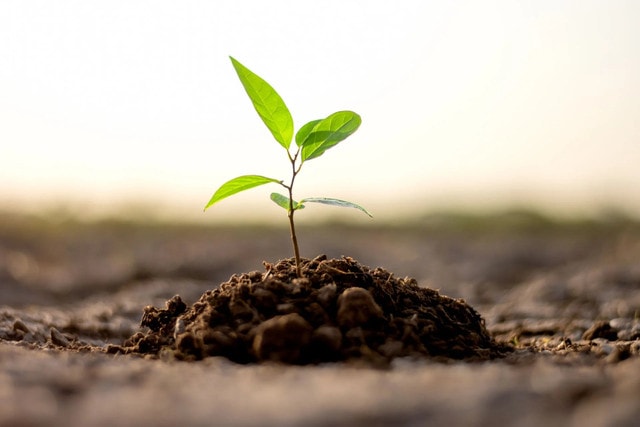
The quality of the eventual health of your trees is based on proper planting and care. Many of the problems encountered in trees are just simple errors at the time of planting trees. Through some of the basic tips for planting trees and guidelines on caring for trees, trees are able to grow better, live longer, and be more beautiful. At Tree Nursery Co., we have helped thousands of homeowners to plant healthy trees due to high-quality stock and professional advice you can trust.
Tip 1 – Choose the Right Tree for the Right Location
The choice of the tree to be included in your landscape is the key to success in tree planting. The things to take into account before purchase include your climate zone, type of soil, sunlight availability, and the size of trees when they are already mature.
Key considerations:
- Determine the amount of sunlight (full sun, partial shade, or full shade).
- Test your USDA hardiness zone.
- Test the available space to grow.
- Take into account the pH level and the soil drainage.
Our Cedar Tree develops in the full sun with well-draining soil, whereas the Kousa Dogwood Tree thrives in partial shade. This principle of the tree planting guide will help you avoid the expensive errors and will make your tree flourish for decades.
Tip 2 – Plant at the Correct Time of Year
Time is an issue with the planting of trees. Most trees are best planted in early spring and fall when the weather is cooler, and transplant stress is minimal, and the roots can also develop before severe climatic conditions set in.
Best planting windows:
- Spring: Before the summer heat, after the last frost.
- Fall: 6-8 weeks before the initial hard freeze.
- Avoid: Mid-summer and frozen ground seasons.
The trees planted in a container have increased flexibility, whereas the trees that are planted based on bare roots need accurate timing. This is the best way to begin with your trees, as it follows this tree-planting technique.
Tip 3 – Prepare the Soil Before Planting
Good soil produces good trees. Measure the pH and drainage of your soil and fertilize it with organic compounds such as compost and other materials to enhance soil structure and microbial population.
Soil preparation steps:
- Carry out a soil pH and nutrient test.
- Place 2-3 inches of compost to enhance soil organisms.
- Loosen hard soil to promote root penetration.
- Drainage should also be provided to avoid root rot.
The USDA Natural Resources Conservation Service explains that healthy soil enables healthy root development. It is crucial in the process of caring for trees, even in their old age.
Tip 4 – Dig the Planting Hole the Right Way
Digging the right hole is the beginner's tip on how to properly plant a tree. Prepare a hole that is 2-3 times the width of the root ball but not deeper than the height of the root ball. The root flare must either be at ground level or slightly above ground.
Proper hole technique:
- Width: 2-3 root ball diameters.
- Depth: Equal to root ball height.
- Sides: Not smooth, rough (does not allow roots to circle around)
- Bottom: Hard, not slackened (not settling)
This tree-planting technique makes sure that they do not sink into the ground, which will suffocate roots.
Tip 5 – Water New Trees Properly
Watering the first two years is imperative. Trees that are newly planted require deep and little watering to stimulate the deep roots instead of shallow and frequent watering.
Watering guidelines:
- First month: Water 2-3 times per week.
- Months 2-12: Weekly deep watering
- Use 10-15 gallons each time you water.
- Water not against the trunk, but near the drip line.
Trees such as Pink Crepe Myrtle are planted faster when hydrated. This is a very critical tree care tip that avoids drought stress and promotes active growth.
Tip 6 – Mulch to Protect and Nourish Roots
Mulching conserves moisture in the soil, controls temperature and weeds, and incorporates organic matter in its decomposing way. Add 2-4 inches of organic mulch to the base of the tree.
Mulching best practices:
- Apply organic compost (wood chips, shredded bark, or leaves).
- Create a 2-4 inch layer.
- Mulch 3-6 inches away from the trunk.
- Extend mulch to the drip line.
Do not form a pile of mulch volcanoes at the trunk, as this is the cause of rot and pests. This is among the easiest tree care tips that can be used to nurture the roots.
Tip 7 – Prune Young Trees for Healthy Growth
The pruning in the initial few years gives a developed structure and eliminates broken and crossing branches. Emphasize structural pruning as opposed to shaping.
Pruning guidelines:
- Eliminate dead, diseased, or damaged branches.
- Eradicate scrubbing or rubbing branches.
- Keep a leader in the majority of the species.
- New Prune in late winter or early spring.
The Yoshino Cherry tree is a well-pruned tree, and this has helped to sustain its beautiful shape. Adherence to this principle of the tree planting guide eliminates structural issues in the future.
Tip 8 – Fertilize Trees the Right Way
The trees that have been planted recently do not require instant fertilization. And wait until the second growing season, then use a balanced slow-release fertilizer, depending on the soil tests.
Fertilization approach:
- Wait 12-18 months after planting.
- Apply soil test results as a guidance measure.
- Apply in early spring or fall.
- Select the slow-release organic fertilizers.
Excessive fertilizing is worse than inadequate fertilizing. At Tree Nursery Co., our advice is that it is better to concentrate on soil health and organic matter and then add synthetic nutrients.
Tip 9 – Protect Trees from Pests and Stress
Check your trees frequently to see evidence of pest attacks, disease, or the effects of the environment. The sooner an intervention is made, the easier it is to intervene and achieve better results.
Protection strategies:
- Examine leaves, bark, and branches once a month.
- Observe abnormal discoloration or wilting.
- The bark of young trees over shields against deer and rodents.
- Mechanical damage by mowers and trimmers should be avoided.
The Kwanzin Cherry Tree is very resistant to disease, though it could still use occasional monitoring. Small troubles can be prevented by proactive care of the trees before it becomes a major problem.
Tip 10 – Plan for Long-Term Tree Care
Trees are long-term investments that need long-term maintenance. Develop a maintenance program that involves watering when there is a dry season, mulching every year, pruning, and health examinations.
Long-term care plan:
- Develop a water schedule during drought periods.
- Refresh mulch annually
- Prune every 2-3 years as needed.
- Follow up on fluctuating conditions.
The solution for how to properly plant a tree will not be achieved on the first day; it is a commitment with many years of care that will pay you with trees, shadows, and benefits to the environment.
Conclusion
These 10 tips for planting trees and caring for trees will guarantee that you are successful in all the trees that you tend to plant. Whether it is a Cedar Tree, Kousa Dogwoods, Pink Crepe Myrtles, Yoshino Cherry trees, or Kwanzan Cherry Trees, all require proper planting and regular maintenance to produce healthy and beautiful landscapes that can be enjoyed by generations. Tree Nursery Co. offers the best trees and professional advice to help you with your planting process, starting with the selection and ending with the final planting.
FAQs
What is the best way to plant a new tree?
Each of them should be planted at the appropriate depth with the root flare exposed, watered completely, and mulched, but not the trunk.
How to protect trees (10 points)?
Plant nicely and plant in the right spot, watering, mulching, pruning, keeping an eye on the pests, preventing damage, fertilizing, weather protection, and long-term care.
When is the best time to plant trees?
The best time to plant is early spring, immediately after the final frost, or fall, 6-8 weeks before the first hard freeze.
How can we care for trees and plants?
Ensure there is adequate water, and use mulch, pruning, pest and disease monitoring, and proper soil nutrition.
Should new trees be fertilized?
Fertilize 12-18 months after planting and concentrate on soil well-being and establishment.
Where can I buy healthy trees online?
Tree Nursery Co. provides a high-quality selection of trees, professional planting services, and shipping that will be delivered to your doorstep with good packaging.