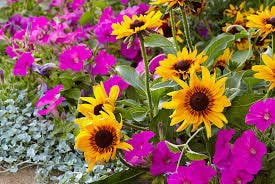
The first step in developing a successful and sustainable garden is to pick the correct plants within the surrounding environment. The most intelligent, environmentally conscious solution to landscaping is planting native plants, which create gardens in collaboration with nature instead of going against nature. It has taken thousands of years to evolve native species to be the correct species, with the correct climate, soil, and weather conditions, and they are naturally resilient and perfectly adapted.
Tree Nursery Co. is a reputable native plant nursery, providing high-quality plants that are well cultivated, which help homeowners to create beautiful, low-maintenance landscapes that contribute to the local ecosystem at lower water consumption, reduction of chemical input, and reduced maintenance needs.
What Makes Native Plants Better Than Non-Native Options
Planting Native plants has a unique benefit over exotic ornamentals, which fail in the new setting. Native species have natural adaptations to the conditions of the area, such as temperature extremes, rainfall distribution, soil pH, and populations of the local pests, removing the constant management required by non-native plants.
These naturally existing species have evolved deep root systems that access water and nutrients effectively without the use of supplemental irrigation and fertilization. They have a genetic composition that comprises natural resistance to pests and diseases that was acquired over millennia of exposure to local problems, cutting the use of pesticides down to none at all.
Gardening with Native plants also conserves the biodiversity and genetic heritage of a region. Development is a major cause of habitat loss in many of the native species, and home gardens have become the key refuge of the plants, which are impossible to replace. By getting your sources from a quality native plant nursery such as Tree Nursery Co., you are aiding in conservation activities, and you are also providing the ability to create a landscape that reflects the natural character of the area.
Native plants help soil to be healthy, as they provide soil with diverse microbial communities and favorable soil organisms that enhance the cycling of nutrients and decomposition of organic matter. This helps in forming self-sustaining garden ecosystems that need little external input.
Environmental Benefits of Planting Native Plants
Planting native plants has more than just positive effects in your own garden and produces beneficial environmental effects in a whole community and watershed. The benefits of planting native plants:
- Water conservation: Native species require much less water supplementation after establishing, and this lowers the pressure on municipal water.
- Minimal chemical contamination: The small amounts of fertilizer and pesticides used guard against groundwater, streams, and purposeful insects.
- Carbon sequestration: The native trees and perennials sequester carbon in the atmosphere, which is the cause of climate change.
- Prevention of soil erosion: Soil on the slope is stabilized by deep and extensive root systems, and it does not run off nutrients.
- Stormwater management: Native plantings use the rain more efficiently than lawns and prevent flooding and drainage issues.
Gardening with Native plant landscapes also produces robust landscapes that can withstand droughts, changes in temperatures, and extreme weather conditions without having to interfere. The USDA Natural Resources Conservation Service identifies the essential ecosystem services offered by native plant communities, such as the water filtration process, air purification, and habitat connectivity.
The example of the Chestnut Oak Tree, Tree Nursery Co., is characterized by these environmental advantages as the root systems become massive to hold the soil together and accommodate the life of various wildlife species and enhance the quality of air within its remarkable lifespan.
How Native Plants Support Local Wildlife and Pollinators
Native plants for pollinators are the backbone of healthy ecology, as their food sources and habitat are major food sources and habitat for birds, butterflies, bees, and other beneficial insects. These species have been evolutionary partners with local wildlife over the past thousands of years and form perfectly synchronized associations in which the plants offer nectar, pollen, seeds, and shelter, and the animals offer pollination and seed dispersal services.
Different butterfly and moth species cannot survive on non-native alternatives, as they require different native caterpillar host plants. As an example, monarch butterflies can only survive on native milkweeds, and most songbirds need the native oak trees on which thousands of caterpillar species feed their broods.
Planting Native plants produces an animal habitat all year round. The early spring flowers can supply nectar during periods of first awakening of the pollinators, summer blossoms can support an active population of pollinators, fall seed heads can nourish the migrating birds, and winter structure provides shelter during extreme weather.
The Gayfeather Liatris Plant of Tree Nursery Co. is an outstanding native plant option for pollinators, with flower spikes that are colorful purple and attractive to butterflies, native bees, and hummingbirds in late summer when these other food sources are generally fading away.
Our Sumac Tree gives our nesting birds a thick cover, our fall is beautiful and attractive to see, and our fruit is available all winter, keeping the overwintering species fed when food is limited. These multipurpose natives provide ecological value, which is significantly higher than that of non-natives, which are ornamental.
Low-Maintenance Gardening with Native Plants
Low-maintenance native plants save so much of the gardening effort and produce more beautiful and hardy gardens. When they are stipulated, they are nearly self-sufficient, and homeowners do not need to spend time watering, fertilizing, pruning, and controlling pests as required by native plants.
The Advantages of Successful Native Plant Gardens are:
- Lower Watering Needs: Native plants and shrubs that are acclimatized to the rainfall pattern of the area do not require additional irrigation, other than during the establishment phases. One to two growing seasons later, most natives can survive only due to natural precipitation without irrigation systems, and water bills decline significantly.
- Minimal Fertilization Needs: Gardening makes use of natural soil conditions instead of struggling with these conditions through planting native, natural plants. Natives adapted to grow in the current nutrient and soil chemistry, and there was no need to use the fertilizers that pollute the waterways and cost the farmer money to apply.
- Natural Resistance to Pests: Native plants have intrinsic pest and disease resistance that evolved naturally through adaptation to a certain environment. This will reduce the use of toxic pesticides and promote the natural population of insects, which offers natural pest control.
- Self-Sustaining Growth: The correct location of natives makes them grow without necessarily pruning, staking, or remodeling. They are appealing in shape, distributed in a proper manner, and renewed through natural mechanisms without philanthropic actions.
The Yellow Primrose Plant of Tree Nursery Co. exhibits these low-maintenance native plant features beautifully and grows well in different environments, and it grows naturally to form happy ground cover in places that need very little maintenance after being established.
Best native plants for effortless beauty
- Gayfeather Liatris Plant: Drought-tolerant perennial growing beautiful purple flower spikes. The Gayfeather Liatris Plant grows well even in poor soil and without fertilizer, attracting important pollinating insects.
- Ranunculus Repens Plant: Vigorous groundcover with bright yellow flowers. The Ranunculus Repens Plant provides good erosion prevention in challenging locations where other plants are ineffective.
- Chestnut oak trees of magnificent size, offering shade and food to wildlife and fall colors, are very drought-tolerant with deep roots, enhancing soil structure.
- Sumac tree: Rapidly growing native with brilliant fall color and winter interest, it naturally fixes nitrogen in soil, enhancing the fertility of plants around it.
- The Yellow Primrose Plant propagates abundantly in spring. Naturally spreads to cover gaps and does not spread violently to suppress weeds.
Being a professional native plant nursery, Tree Nursery Co. selectively plants and grows species that perform better in gardens, leaving it to customers to have healthy specimens that not only establish fast but also grow with little care. Knowledge of planting native plants assists homeowners in developing sustainable landscapes that respect the ecology of the region without consuming a lot of maintenance and causing harm to the environment.
Planting with compost and organic matter promotes biodiversity in the microbiology and health of roots, enhancing establishment and developing self-sustaining soil biospheres that do not need subsequent amendments.
Conclusion
Planting native plants leads to healthier, easier, and more beautiful gardens that will help wildlife, save resources, and commemorate regional natural heritage. The benefits of planting native plants are less maintenance, water saving, pollination, and environmental sustainability, which accumulate over time. You can go with colorful Gayfeather Liatris, groundcover Yellow Primrose, grand Chestnut Oak, colorful Sumac, or spreading Ranunculus Repens because, regardless of the choice, the native species will work better with minimum inputs.
Tree Nursery Co. sells quality native choices that are supported by the expertise and cultivation traditions. Visit our local plant nursery collection today and begin to create your own natural landscape.
FAQs
What are the main benefits of planting native plants?
Native plants need less water and care, enhance the local wildlife, discourage erosion, and naturally enhance the health of the ecosystem.
Why are native plants better for the environment?
They minimize chemical application, save on water, promote biodiversity, trap carbon, and are key habitats to native species.
Do native plants require less maintenance?
Yes, when native plants are well established, they do not need much watering, fertilizers, or even pest control, as would be the case with non-native species.
Are native plants easier to grow?
The native plants are known to adapt well to the local conditions; hence, they are easier to establish and grow than the exotic species.
Can native plants prevent soil erosion?
Yes, the systems have deep roots that stabilize the soil, erosion cannot occur on the slopes, and stormwater runoffs are significantly minimized.
Where can I buy native plants online?
Tree Nursery Co. provides native plants of superior quality and delivers them straight with instructions for professional planting and care.