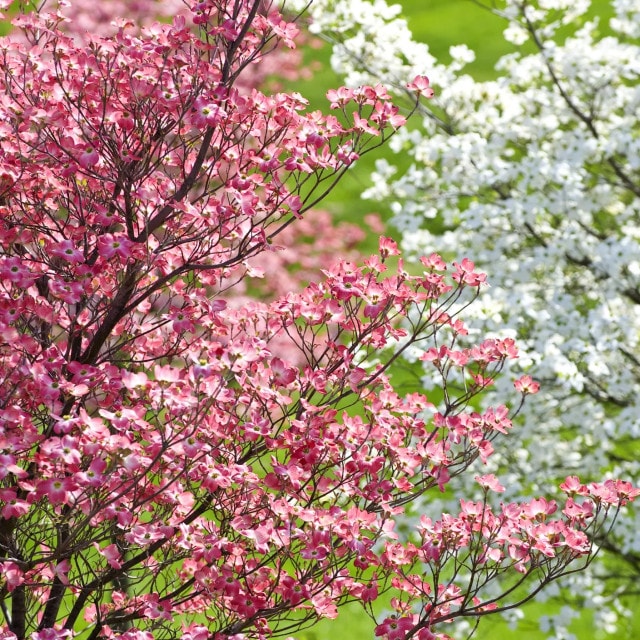
The grey palette of winter is replaced by the most impressive spectacle of nature as the spring flowering trees burst, and the regular yards turn into a vivid outdoor gallery. Such beautiful specimens do not need to be admired just by virtue of transient beauty, but they also give scents, attract insects, and make memorable yearly spectacles that will be admired by people around the block. One of the most clever landscape investments that a homeowner has to make involves spring-blooming trees to maximize the landscape with minimal effort.
In Tree Nursery Co., we focus on high-quality flowering varieties that provide consistent color over the years, improving curb appeal and house prices, as well as designing the living spaces that you will enjoy being in.
Why Are Spring Flowering Trees Essential for Beautiful Yards?
Such landscape focal points as spring-flowering trees are used to announce the beginning of warmer weather and a new flowering after a dormant winter. Their whopping flowers make emotional attachments with the outdoors, making people feel better and have day-to-day happiness during the season when we most want to get outside and enjoy our yards.
Other than aesthetic beauty, flowering trees' spring blooms foster basic pollinators such as native bees, butterflies, and hummingbirds that rely on early sources of nectar. These trees form ecological supports to healthy gardens because they provide natural control mechanisms of pests in the form of beneficial insects that attract such insects during the growing season.
The investment worth of the spring-blooming trees is compounded over the years. Established flowering trees provide more and more spectacular performances compared to annual flowers that have to be replanted year after year. The varieties that Tree Nursery Co. develops offer a combination of gorgeous spring color and excellent branching framework, resistance to diseases, and responsiveness to different soil types, which guarantee your trees are thriving in 20-plus years. Values of property also grow quantitatively where the landscapes are well-matured, with flowering trees that make a strong first impression.
Key Benefits of Planting Flowering Trees in Your Landscape
Planting spring-flowering trees in your yard also provides several benefits that may be enjoyed all year round:
- Long seasonal appeal: There are numerous varieties with pretty bark, fall color, and interesting winter structure in addition to spring blooms.
- Minimal care required: Once planted, the flowering tree with low maintenance requirements requires less care than a flower bed.
- Creation of wildlife habitats: The flowers will provide a habitat to the pollinators, and thick branches will give the songbirds a place to nest.
- Air quality: Trees clean the air, generate oxygen, and provide healthy outdoor environments.
- Shade value: The flowering trees will grow and become useful shade producers that will minimize heating expenditures.
- Noise mitigation: Sound buffers street traffic and provides peaceful backyard resorts.
Early spring flowering trees do it when there is little color in the landscape, so that they emanate drama when contrasting with bare branches. This experience makes them indispensable to homeowners who are willing to appreciate outdoor beauty following the prolonged winters.
The Flowering Dogwood Tree, Tree Nursery Co., is the perfect example of such benefits since this tree is known to be virtually spectacular during the spring with white or pink flowers and beautiful foliage with bright red fall berries that attract the overwintering birds.
Step-by-Step Guide to Choosing the Right Spring Flowering Tree
To choose the perfect spring-blooming trees in your particular yard, one has to consider a number of key factors:
- Test Your Growing Environment: Check the sunrise and sunset. Expectations are that most flowering trees pop up with at least 6 hours of direct sunshine in order to produce maximum flowers. Drainage Test: Test soil drainage by establishing a hole of 12 inches and filling it with water; if it does not drain out after 4 hours, then there is a need to improve the drainage.
- Calculate before buying the available space, research mature sizes. Small areas are suited to small types of shrubs reaching up to 15-20 feet, whereas on bigger areas a height of 30-40 feet is attainable. When laying down overhead utility lines and underground services, factors to be considered include placement.
- Test Bloom Timing Flowering Early trees, such as magnolias, bloom in March-April, whereas later varieties continue through to May-June. The blending of multiple eruption periods produces prolonged flowering periods. Check the USDA Plant Hardiness Zone Map to confirm the suitability of varieties to your climate.
- Think about Color Schemes. White flowering trees are pretty and classy and would give any home a matching appearance. Warm and dramatic pink and red additions. White flowering tree spring options offer eternal beauty that will not clash with any type of landscape.
- Match Maintenance Expectations Certain flowering trees must be pruned and fertilized yearly, and low-maintenance flowering trees grow with very little attention. Be frank with regard to time and interest in gardening.
The Red Dogwood Tree, Tree Nursery Co., provides exquisite rose-pink flowers with outstanding disease resistance, making it suitable for homeowners who want a nursery with a vibrant color and do not need to take care of the trees.
How to Plant Flowering Trees for Maximum Blooms
Correct methods of planting ensure your spring-flowering trees have an easy time settling in:
- Site Preparation: Choose sites that have good sunshine and well-drained soil. Enrich heavy clay soils with compost and organic matter to enhance root health and mix up microbial diversity. Well-prepared soil facilitates the growth and produces the maximum blooms.
- Planting Process: Dig holes two times wider than the root balls yet not deeper—trees are to be planted at an equal depth to that which they grew in nursery receptacles. Native soil backfilled with old compost and mixed with native soil to promote healthy soil organisms and enhance nutrient absorption.
- First Care Water Soak twice a week in the first growing season in order to develop wide root structures. Put 3-4 inches of organic mulch around the base, but leave it straight off the trunks. Mulch keeps the soil moist, regulates the soil temperature, and as the mulch decomposes, it fertilizes the soil.
- Fertilization Strategy: Use proportional slow-release fertilizer at the beginning of spring, before the flower buds open. This helps in the production of blooms and the development of healthy foliage. No fertilizers with high levels of nitrogen should be used, and this will encourage the growth of leaves instead of flowers.
The Red Crepe Myrtle Shrub in Tree Nursery Co. exhibits remarkable strength after it has been established well and yields masses of crimson flowers in the summer season up to the fall with minimal care.
Designing a Yard That Stays Colorful All Spring Long
Strategic planning establishes sceneries with flowering trees and spring blooms that bring everlasting color during the early spring and the late season:
Layered Bloom Sequences
This is a combination of early spring flowering trees, which bloom in March; mid-season varieties, which bloom in April; and late varieties, which continue to bloom into May-June. This series of succession will provide continuity so that there will always be something in flower in the spring months.
Color Coordination
Combine white blooming trees with pink or purple flowering shrubs in contrast. Flowering trees with white flowers in spring propagate types of flowers such as dogwoods that provide beautiful landscapes to bright understories consisting of azaleas and rhododendrons.
Best Flowering Tree Collection to provide the Columbine Spring Color:
- Flowering Dogwood Tree: Classic flowering tree with a white spring flower option, blooming in April and May, has unique four-petaled bracts. Native species that offer wildlife a glorious transformation of color in autumn.
- Red Dogwood Tree: Violet flowers form theatrical spring shows. Small growth habit, and suits a smaller yard size, and demands a bold color effect.
- Red Crepe Myrtle:Shrub Summer through fall with spectacular clusters of red flowers. Exceptional heat tolerance and attractive exfoliating bark, which gives year-round interest.
- Twilight Crepe Myrtle: Shrub with unique, deep purple flowers that provide a sophisticated appearance of color that is not common in flowering landscapes. Drought-resistant when planted with beautiful fall leaves.
- The Red Oak Trees: Spring attracts attention with the newly developing reddish leaves and catkins, as well as an amazing fall color of crimson that adds long seasonal beauty to the trees, which otherwise only flower.
Seasonal Care Consideration: Prune spring-blooming trees as soon as flowering is complete, or you will be pruning off flower buds of the following season. Keep an eye on typical pests and diseases and solve problems. To ensure large and longer bloom periods, keep the soil moist. Organic matter incorporated around root zones enhances good microbial communities, which enhance nutrient availability and the general health of trees.
Conclusion
The spring flowering trees make normal yards an annual spectacle of joy, beauty, and the permanence of landscape. Do you want traditional Flowering Dogwood, bright Red Dogwood, long-lasting Red Crepe Myrtle, ultra-classy Twilight Crepe Myrtle, or tall Red Oak? These low-maintenance flowering trees are reliable in providing color with low maintenance requirements.
Tree Nursery Co. is selling high-quality flowering specimens with the support of professional cultivation techniques and customer service. Our large assortment of trees can be tried today, and you can find out how the right tree can put your backyard and front yard in a whole new realm of springtime fun that you and your family will enjoy over the next ten years.
FAQs
What type of trees bloom during spring, often producing a variety of colorful flowers?
Dogwoods, magnolias, cherries, redbuds, and crabapples flower in spring, having white, pink, purple, or red flowers.
Which trees grow in the spring season?
The majority of the deciduous trees vigorously grow during spring, although flowering species such as dogwood, crepe myrtle, and fruit trees are most noticeable.
Which trees have the most colorful spring blossoms?
Cherry trees, magnolias, flowering dogwoods, and redbuds have the best and most beautiful display of spring flowers.
How do I care for spring-flowering trees?
When establishing, water heavily, apply mulch, fertilize early in spring, and prune right after flowering in order to keep healthy.
Do flowering trees need full sun?
A majority of flowering trees require 6-8 hours of direct sunlight daily in order to produce blooms and stay healthy.
How fast do spring-flowering trees grow?
The growth rates also depend on the type of species—dogwoods grow at a rate of 1-2 feet per year, and other types of shrubs, such as crepe myrtles, grow faster at 3-5 feet per year.
Where can I buy healthy flowering trees online?
Tree Nursery Co. sells high-quality flowering trees with complete instructions to care for them attached and planting instructions as well.