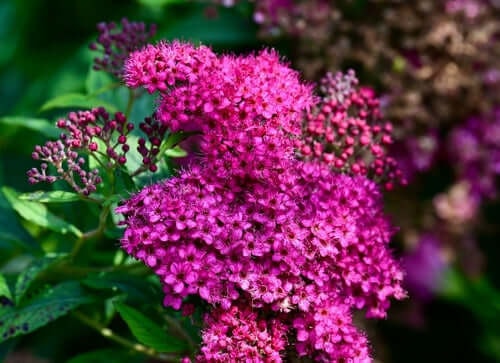
The most effective way of helping to support the local ecosystem and also improving the natural appearance of your garden is by planting trees for wildlife and wildlife shrubs. The appropriate choices offer necessary food resources, nesting areas, and protection to the birds, pollinators, and friendly insects throughout the year. This guide is informed by the experience of Tree Nursery Co. in the supply of trees for wildlife that are healthy and that are grown in nurseries for wildlife, such as Cedar Trees, Flowering Dogwood Trees, Green Mountain Boxwood, and Black Raspberry Bush.
Why Should You Plant Trees and Shrubs for Wildlife?
Trees for wildlife and wildlife shrubs form pivotal habitat links between a growing number of fragmented landscapes. Residential gardens are becoming a safe haven for native species as the natural spaces are dwindling.
Key ecological benefits:
- Give food all year round with berries, seeds, nuts, and nectar.
- Provide nesting areas and protection against predation and the elements.
- Provide support to insects, birds, and mammals.
- Establish pollinator highways between isolated patches of habitat.
- Enhance biodiversity by ensuring you attract different species to your property.
Plants that attract birds have a combination of various ecological functions. Songbirds feed on the berry-producing shrubs, and nesting areas are also available to them because the shrubs have thick branching. The flowering trees provide nourishment to the pollinators in the form of nectar, and the seeds they produce provide sustenance to the birds during winter.
The USDA Natural Resources Conservation Service claims that native plants sustain 29 times more wildlife species than non-native plants due to the fact that the fauna of the area has developed in coexistence with native plants. Tree Nursery Co. also focuses on native and locally adapted species, which means landscapes will be able to support local wildlife populations.
Which Trees and Shrubs Are Best for Local Wildlife?
When you choose the proper native plants for wildlife habitat, you will be certain that your landscape has true ecological benefits. The most suitable options are the ones that have numerous advantages in various seasons.
Wildlife-friendly varieties include:
Cedar Tree
It is an evergreen that shelters and nests the birds all year round and yields berry-like cones which nourish the cedar waxwings, robins, and other song birds during winter. The Cedar trees form thick windbreaks that shelter the animals against the adverse weather conditions. It is an adjustable tree for wildlife that grows in different soil types, and it is able to withstand drought when it is grown.
Flowering Dogwood Tree
Flowering Dogwood is one of the most popular trees among birds, which yields berries that are extremely bright red in fall and attract a wide variety of birds like cardinals, thrushes, and woodpeckers. It has spring flowers to feed the early pollinators with nectar, and the summer leaves are full of butterfly caterpillars. It is a native tree for wildlife with four seasons of interest, which boasts beautiful flowers, pleasant berries, and vivid fall color.
Green Mountain Boxwood
This is a small evergreen wildlife shrub that serves vital winter cover to the small birds and other insects. Its thick branching provides safe nesting areas, and its foliage is available all year round, which prevents predation. Green Mountain Boxwood can be used in the understory because it can withstand the shade and different soil conditions.
Black Raspberry Bush
This is an excellent native shrub for pollinators that produces white springtime flowers which attract bees and butterflies, followed by juicy berries that nourish birds, small mammals, and even humans. Black Raspberry Bush forms a thicket with good nesting cover and also escapes from predators. Its canes are thorny and discourage browsing deer as well as provide a habitat to a wide variety of wildlife.
With every purchase, customers are provided with information regarding wildlife benefits, which allows them to maximize their impact on the ecology.
Low-Maintenance Options for Wildlife-Friendly Gardens
With correct selection, wildlife shrubs and trees may be ecologically valuable and low-maintenance. Ideal decisions do well with limited interference after they are set.
Features of easy-care wild plants:
- Indigenous species are adapted to the soil and climatic conditions of the place.
- Pesticide resistance by natural means eradicating chemicals.
- Drought-resistant irrigation needs are decreasing.
- Habits of self-redistribution which fill voids.
- Various wildlife benefits in a variety of seasons.
Plants that attract birds usually do not need a lot of maintenance as compared to ornamental options, as they have adapted to survive without human intervention. The native berries do not need special attention to be ripe.
Necessary planting procedures:
- Select native species that suit your growing situations.
- Make holes in the soil that are two times the size of root balls.
- Add compost to the soil to increase the ability to retain moisture.
- Add 23 inches of organic mulch around plants.
- Root formation necessitates deep watering in the first season.
Native shrubs for pollinators, such as our Black Raspberry Bush, are easy to grow and propagate, naturally forming wildlife-rich thickets with the least attention. The company's practices of Tree Nursery Co. are focused on producing strong root systems of the plants.
Seasonal Benefits of Wildlife-Supporting Plants
Native plants for wildlife habitat enhance the use of wildlife habitat by offering varied benefits throughout the year, sustaining various species with the change of seasons.
- Spring: Early flowering plants such as Flowering Dogwood offer essential nectar at the time of the appearance of native pollinators. The best trees for birds to use are those that provide nesting habitats when the songbirds are building territories. Butterfly caterpillars feed on new foliage, maintaining whole food webs.
- Summer: Thick cover on the wildlife shrubs gives safe nesting areas and escape paths against predators. Portable flowering underlines pollinators during the periods of maximum activity. Fruits start to grow in size and color, and migrating animals and birds start preparing to fly in the fall.
- Fall: Plants bearing berries are the plants that attract birds at their peak productivity, which supply the required fats and proteins for migration. Native grasses and flowers must be growing, keeping forth granivorous species throughout winter.
- Winter: Evergreen trees for wildlife, such as Cedar, provide protection against predators and severe weather. This is because persistent berries and seeds keep the resident birds alive. Branching in thicker forms provides a roosting place as birds cuddle to keep warm.
Tree Nursery Co. guides its customers through the process of choosing complementary species that will assure year-round support of wildlife.
Designing Your Garden for Wildlife
The development of effective native plants for wildlife habitat must be designed in a manner that addresses the needs of wildlife as well as the aesthetic objectives.
Principles of design to ensure wildlife success:
- Groundcover layer vegetation from shrubs to canopy trees.
- Establish thick vegetations that offer cover strips between spaces.
- Consider such water features as birdbaths or small ponds.
- Eradicate or reduce the use of pesticides that shield those insects that are valuable.
Native shrubs for pollinators do not thrive as single plants but in plant groups. Clusters have visual effects as well as enough resources to support pollinator populations.
Practical design steps:
- Choose a variety of species that provide a variety of food products and flowering periods.
- Plant evergreen vegetation as protection during the whole year and windbreaks.
- Add berry growers in case of fall and winter food.
- Permit natural sites, including stems and litter.
Landscape experts at Tree Nursery Co. offer site-specific recommendations on wildlife objectives relative to site conditions.
Conclusion
Gardens can be turned into productive wildlife habitats with the planting of trees and wildlife shrubs. Sheltering Cedar Tree to Flowering Dogwood Tree, versatile Green Mountain Boxwood, as well as fruitful Black Raspberry Bush, Tree Nursery Co. offers professionally cultivated wildlife habitat plants that can grow fast. Trust Tree Nursery Co. for high-quality plants that will provide a home to birds and a full wildlife community in your landscape.
FAQs
What tree supports the most wildlife?
According to acorns and leaves, oak trees sustain more than 500 species of moths and butterflies, in addition to an uncountable number of birds and mammals.
How do trees support wildlife?
Trees supply food in terms of fruits, nuts, and seeds; they provide nesting and sheltering; they also contribute to food webs in terms of insects, and they form corridors.
Are native plants better for wildlife than non-native ones?
Yes, native vegetation provides support to 29 times the number of wildlife species due to the fact that local wildlife have developed to use their food and habitat.
What is the best shrub for wildlife?
The Black Raspberry Bush is superior since it has flowers that are used as pollinators, birds and mammals can use their berries, which are edible, and birds can nest densely.
Can we protect wild animals by planting trees?
Yes, planting native trees will provide habitat and food sources and also wildlife corridors to support biodiversity.
Where can I buy quality wildlife-supporting trees and shrubs online?
Tree Nursery Co. produces the very best native plants and provides professional advice on the support of wildlife with national delivery to ensure success.