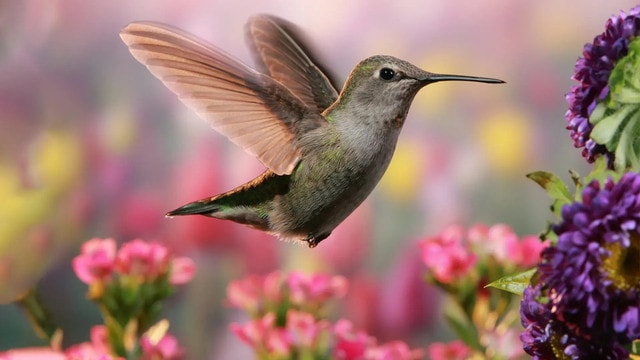
The construction of successful backyard ecosystems begins with planting trees that attract birds and promote needed pollinators. These precious species will offer nectar, fruits, shelter, and nesting areas that animals rely on all year round. Pollinator trees can turn a dull lawn into an interactive outdoor playground, full of singing birds, butterflies, and bees, among other useful species. In Tree Nursery Co., our products are high-quality trees, which are carefully chosen due to their potential to favor wildlife, besides adding beauty to the landscape.
How Do Trees Support the Entire Backyard Ecosystem?
The basis of healthy backyard ecosystems is made up of trees that attract birds and other pollinators. The weather and the predators are kept off their canopies; their branches offer safe nesting places, and their flowers, fruits, and seeds provide them with important food resources throughout the year in many seasons. Pollinator trees are important in sustaining complex food webs through the provision of nectar and pollen to bees, butterflies, and other insects.
Plants have ecological benefits as native trees for wildlife that native ornamentals cannot compete with. They have adapted to the local species over thousands of years and are much more useful in supporting the local ecosystems. Their root systems also enhance the soil structure, which helps to support good soil organisms and augment the organic matter naturally. The US Fish and Wildlife Service gives free conservation tips on the creation of wildlife habitat.
Nectar-Rich Trees That Attract Bees and Butterflies
Rich sources of nectar and pollen required by bees, butterflies, and other pollinators are found in pollinator trees that have large flowers. The species that bloom in the spring are especially useful, as they are the food source when there are relatively few other food sources. These are the best pollinators for bees that create reliable sources of food, which are replenished every spring.
Exceptional pollinator trees, Tree nursery Co. can provide better trees to a wide array of landscapes:
Southern Magnolia Tree
This is an evergreen tree with large fragrant white flowers attracting beetles and other pollinators at the end of spring. The Southern Magnolia Tree is one of the most remarkable trees that attracts birds because of the thick tree cover that offers shelter throughout the year.
Red Sunset Maple Tree
This is a fast-growing deciduous tree with deep red foliage in the fall and early spring flowers that release nectar when food is low in abundance. The Red Sunset Maple Tree is a good alternative to native trees for birds that support dozens of species.
Yoshino Cherry Trees
A flowering shrub that bears flowers in the form of masses with masses of small pink-white flowers that bloom at the beginning of spring and are attracted by bees and butterflies. The Yoshino Cherry Trees are one of the best pollinator trees to produce spectacular spring displays and help pollinators, such as bees.
Fruit and Seed-Producing Trees Birds Love
Native trees for birds that produce fruits, berries, and seeds, and these supply sources of food that are important to the songbirds, woodpeckers, and other species. The varieties that produce berries feed the birds during fall and winter when there are few insects.
Tupelo Tree
This is a native tree with dark blue fruit eaten by more than 30 species of birds, and also, its foliage in fall turns bright scarlet. One of the most useful native trees for wildlife is the Tupelo Tree, which is able to grow in wet soils.
Ginkgo Biloba Tree
It is one of the old tree forms that have fan-shaped leaves and are edible by the birds and squirrels. The Gingko Biloba Tree can be used as an excellent addition to the tree collection that attracts birds.
To know what an effective native tree for birds is, one has to acknowledge the fact that native species contribute to hundreds of insect species that birds require to feed their young. One native oak tree has over 500 species of caterpillars, which feed young birds with the needed protein.
Step-by-Step Guide to Creating a Wildlife-Friendly Tree Layout
Planting trees in the landscape that will help attract birds and pollinators needs to be carefully planned. Use the following steps:
- Group Planting: Plant three to five trees of the same species to have larger visible food sources and better habitat.
- Mix flower times: Select pollinator trees with a different flowering time to offer nectar throughout the whole year.
- Plant evergreens: plant evergreen trees and shrubs such as Southern Magnolia that provide shelter and nesting places throughout the year.
Creating Layered Habitats
Native trees for wildlife are best used in combination with shrubs and groundcovers to form a layered habitat. Such vertical heterogeneity gives food and shelter at different levels, sustaining a greater variety of species. Use high trees that attract birds to be used in the background as background trees, and the understory trees that are in flower, such as the Yoshino Cherry, in the foreground.
Should not use pesticides because they destroy the useful insects that pollinate trees, support, and can provide protein to birds. Add water and food, such as shallow birdbaths, to fulfil the habitat. The Tree Nursery Co. gives step-by-step planting directions along with each order.
Conclusion
Trees that attract birds and pollinator trees change the yard into a living ecosystem, which is full of songbirds, butterflies, bees, and other desirable wildlife. These useful trees generate nectar, fruits, shelter, and seasonal interest as well as sustain complex food webs. You can have any of the evergreen Southern Magnolia Trees, the colorful Red Sunset Maple Trees, the flowering Yoshino Cherry Trees, the wildlife-supporting Tupelo Trees, or the unique Ginkgo Biloba Trees, but each and every type of tree in the Tree Nursery Co. is selected based on quality. Trust Tree Nursery Co. to supply native trees for wildlife.
FAQs
What trees attract the most birds?
The best trees, which are fruit-bearing, seed-bearing, and provide shelter to birds, will include Tupelo, Red Sunset Maple, and Southern Magnolia.
What are the best pollinator-friendly trees?
Yoshino Cherry, Southern Magnolia, and Red Sunset Maple are some of the excellent pollinator trees, which supply nectar, pollen, and hiding places.
Do magnolia trees attract birds?
Yes, the Southern Magnolia is one of the best native trees for birds, offering shelter all year round, nesting facilities, and insects that birds feed on.
Which trees attract bees and butterflies?
The best bee pollinators are the Yoshino Cherry and the Red Sunset Maple, which have numerous spring flowers.
What native trees are best for wildlife?
Tupelo, Red Sunset Maple, and the Southern Magnolia are excellent native trees to support wildlife, including birds, pollinators, and the whole life cycle.
How do I make my yard more bird-friendly?
Plant native trees such as Tupelo and Magnolia, water, avoid pesticides, and pollinate trees for food diversity.
Do flowering cherry trees attract pollinators?
Yes, Yoshino Cherry is one of the best pollinator trees, and it connects a lot of flowers in spring, and the bees, butterflies, and other pollinators are attracted to it.