
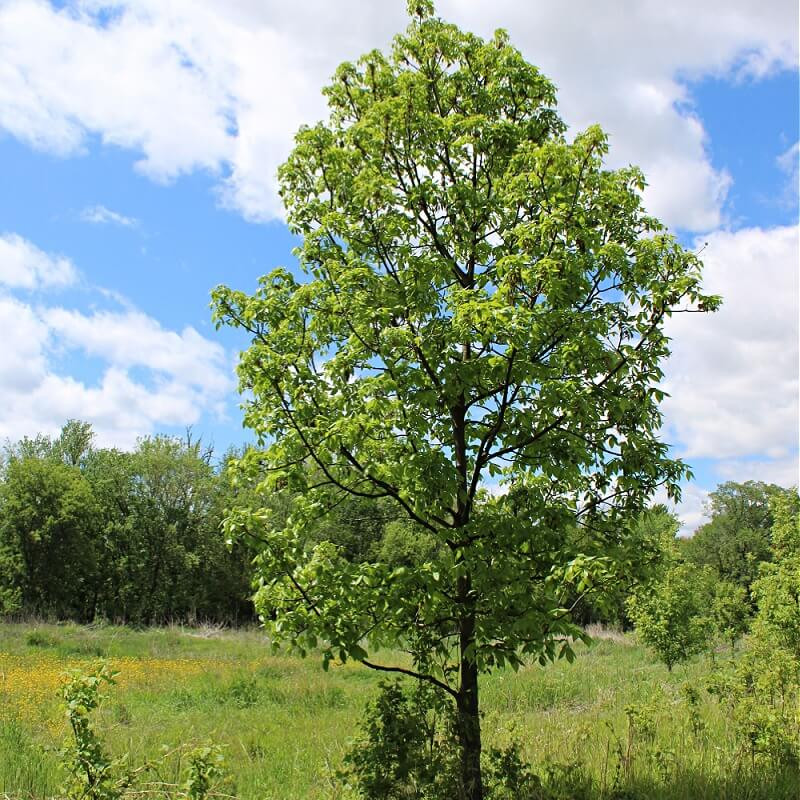
Hickory Tree
$24.99
—$36.99
- Size
Product Details
Hickory Tree: Easiest Trees to Grow
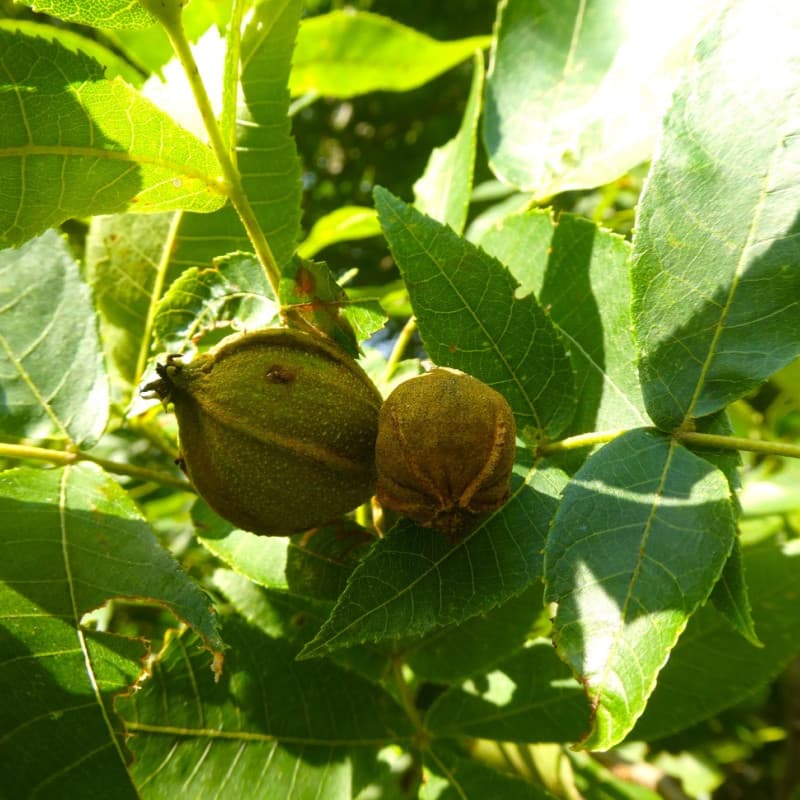
Generations of landowners, farmers, homeowners and restoration efforts have all appreciated the hardiness, beauty and reliable, sturdy growth habit of Hickory Tree Varieties, and with good reason: once established, these trees are a cinch to maintain. They fall under the botanical genus Carya and are known for their deep roots and long-term resilience in the right climate zones. Planting takes little time or effort once a tree is started in the correct hardiness zones, where it will take to the natural landscape with no more attention than most other naturally-occurring trees require. Like most trees, younger trees require well-drained soil and space to develop the wide-spreading, healthy root system that will support top growth and long-term stability. Watering throughout the first growing season will encourage roots to grow strong and quickly, but established Carya specimens require little more than natural rainfall to thrive. Slower, steadier growth rates make these trees an easy, rewarding grow for those with patience to match their desire for longevity and natural beauty in the landscape.
Hickory Tree Soil and Sun Requirements
The first step in successful cultivation is to select a planting site with these trees’ preferences in mind. Members of the Carya genus are a delightfully easy-going tree to grow if within the appropriate hardiness zones. Full sun is preferred and produces the most sturdy central leader with a well-spaced branching structure, but many will also grow in partial sun, especially in areas with long growing seasons. Soil type should be loamy or sandy loam, though these trees are easy to acclimate to other types of soil if drainage is good and natural. Young trees may be given a boost in the establishment period with the addition of organic matter to the planting area, but mature trees will perform equally well without specialized soil treatments. A layer of mulch around the base of the trunk also helps to regulate soil temperature and retain moisture while young trees establish their roots. Carya species are known for their ability to grow once established, and the low-effort nature of these trees makes them a great choice for someone who is after a tree that requires little attention once planted.
Hickory Tree Year-Round Care
Seasonal tree care is, like the tree itself, easy and intuitive. During the first year of growth, the tree will benefit from regular watering to encourage deep and strong root growth, but after that established trees require very little human care and attention. Pruning is usually limited to cutting away damaged branches or crossing branches to maintain an even, balanced tree. Fertilization is rarely required when the tree is planted in healthy, naturally-fertile soil since Carya Trees tend to absorb nutrients from deep in the earth. Seasonal foliage changes are a highlight of growing these trees, and seeing the lush green foliage in the spring and summer months followed by beautiful autumnal color changes as temperatures drop is one of the many joys of growing these trees. For gardeners with an easygoing, laissez-faire style of tree care, a Carya Tree is an excellent match, as these trees’ natural, unhurried growth habits mean that they will develop into their mature form without a lot of human interference.
Hickory TreeHickory Tree as a Long-Term Landscape Addition
As with any tree or shrub planting, one of the best aspects of it is the fact that, with proper planting and care, these trees will bring long-term landscape benefits for years to come. Carya trees develop a noticeable and commanding presence over time, adding shade and structure to the landscape as well as a sense of permanence and stability to the surrounding landscape.Fruit Plant Their deep roots help to keep soil in place, which is why they’re also common in open space and naturalized areas, both as single specimens and as part of larger plantings. Hickory Trees grow into their full form over time and will reward the patience of growers with decades of long-term, trouble-free growth. Able to adapt to a range of environments within its suitable hardiness zones, the Carya Tree is also a tree that is easy to fit into a wider landscape plan as well as standing alone, with a natural and graceful shape that can work with both carefully-managed and wild landscapes. Easy-to-grow, with the potential for years of environmental benefit and lasting landscape beauty, a Carya Tree makes a great choice for any grower interested in a simple, long-term tree option