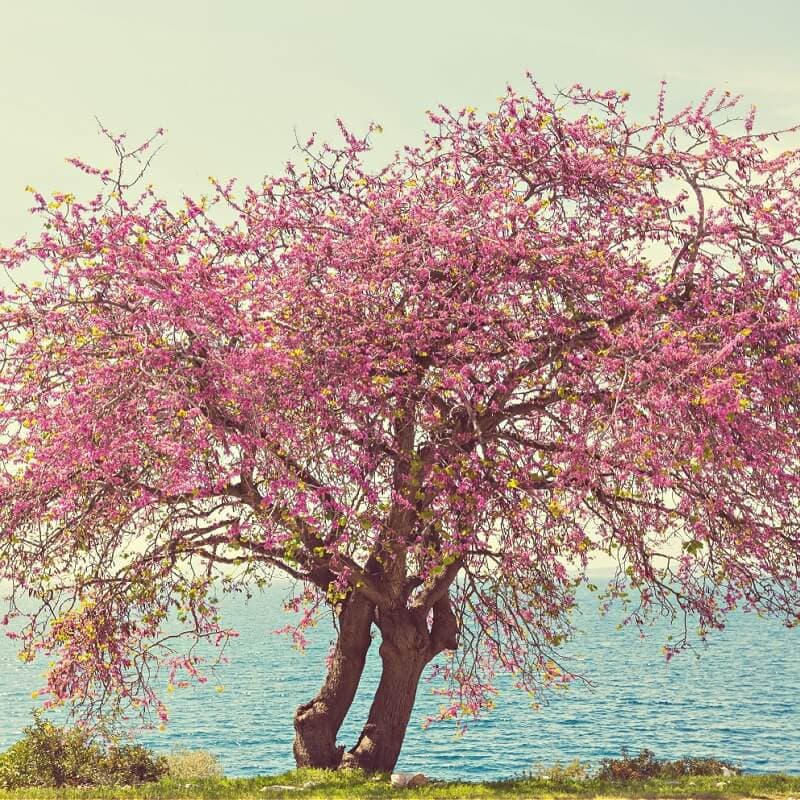

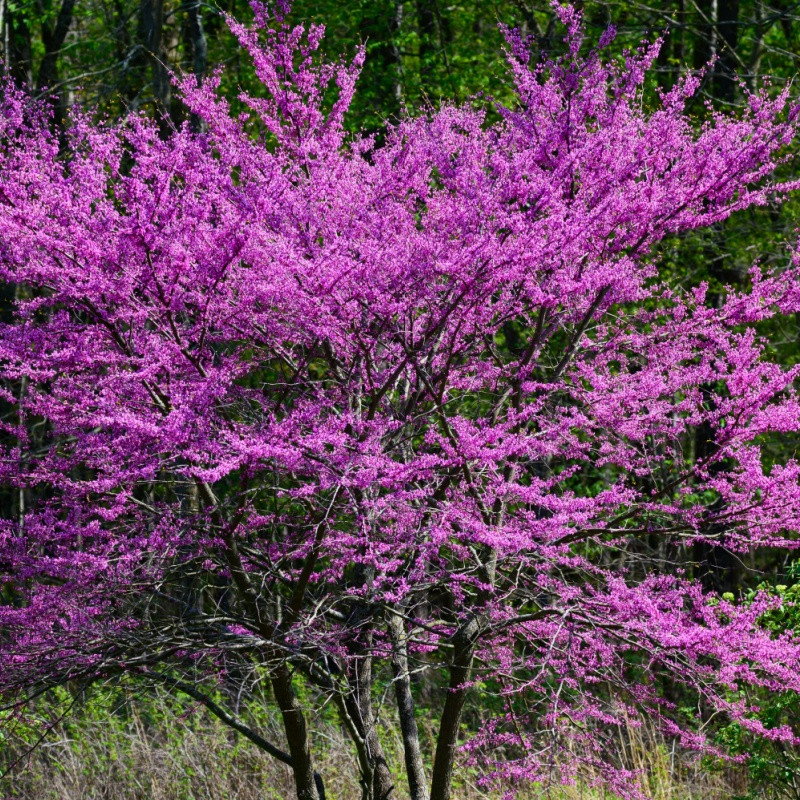
Redbud Tree
$24.99
—$36.99
- Size
Product Details
Redbud Tree Growing Zones
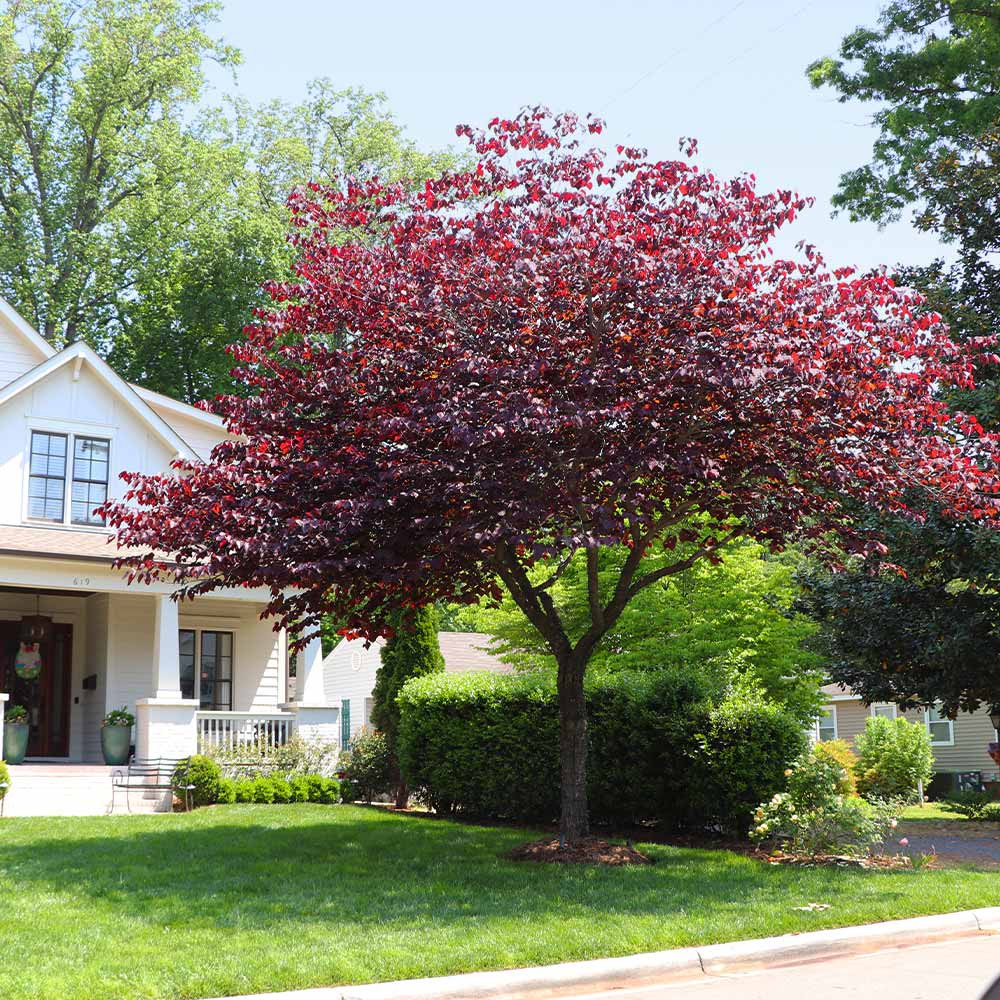
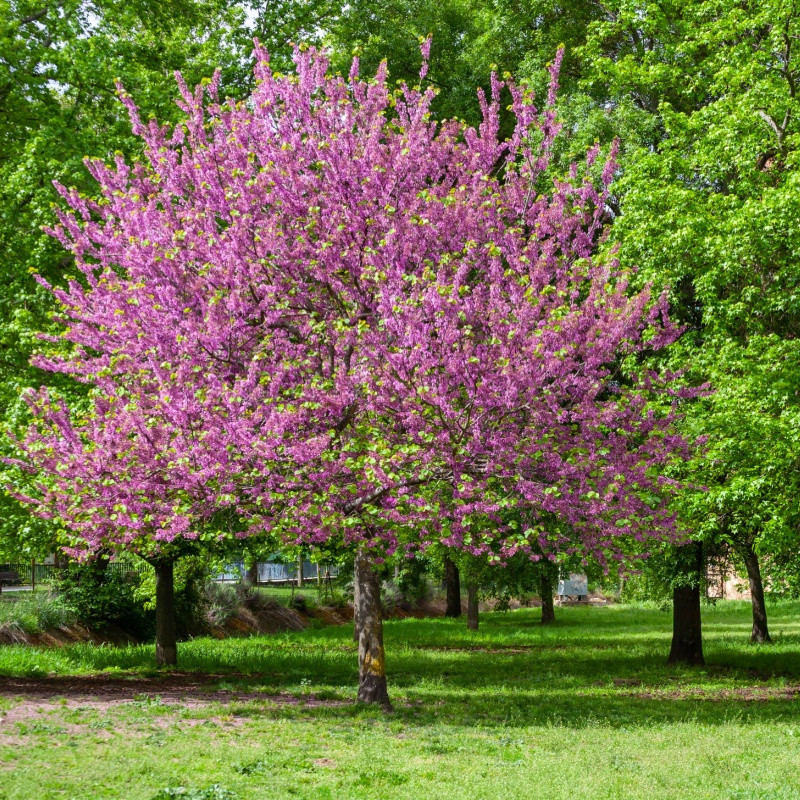
The Redbud Tree may not be a showstopper or attention grabber in your yard, but it’s a strong performer for those who want a naturalized setting in their garden. Since the tree gets established, the people who own this tree know exactly why so many people seem to love this tree each year. Cercis canadensis has an attractive branching habit that provides a balanced and organic canopy shape while nestling into open residential yards, back meadow settings, and woodland garden margins. If you’re new to the gardening world or if you want something simple and easy-to-grow, this tree is a great starter option or seasoned grower for those who want reliability without much fuss. This tree adapts well once it is planted and established in its growing hardiness zones. It will grow at a measured pace so patience is key, but if you wait long enough, it provides excellent structure and consistency in the long term. With its unpretentious appearance, the tree fits into the naturalized spaces of a design without being overworked. It has a practical allure that implies thoughtfulness without the tedium.
Redbud Tree Size and Growth Rate
The Tree is an easygoing tree that naturally fits into both manicured and wilder landscapes because of how it looks and how much time and effort it requires. Cercis canadensis is a medium-size ornamental tree with abundant foliage, but that foliage is mostly unassuming. Instead, this tree provides stately structure to your yard, particularly once it matures. The tree can eventually grow up to 30-35 feet tall if left unmaintained. On average, gardeners find it more appealing when kept to 15-25 feet tall because it’s not overcrowded and displays its shape better this way. The Tree grows relatively slowly, although it has faster spurts during its juvenile stage to reach maturity quicker. Some people may find the early stages of this tree frustrating, but the wait is worth it when you have an established tree. This is one of the best tree options for those who want something that is long-lasting and easily maintained, but Cercis canadensis has other benefits. It’s a good shade tree or sun tree depending on where you live, as long as it is planted in the correct growing zones. You may want to maintain this tree as a specimen tree or a background tree in your garden because it is not invasive and does not require a lot of time to thrive.
Redbud Tree Water and Sunlight Requirements
It’s not difficult to meet the Tree’s sunlight needs because it can live in full sun and partial shade. Many people enjoy planting Cercis canadensis in open lawn areas or bordering home landscapes. The tree can do well as long as it is in the proper growing zones because, unlike other medium-size trees, it has a relatively low water requirement once it is established. This ornamental tree can survive harsh climates but only during the winter. Gardeners need to pay close attention to how much water it gets in the summer if you live in an area with little to no rain during the warm months. A good rule of thumb for the tree is it wants to dry out between watering, just like many other trees. If you water it too much during its first year of planting, it will often drown the root system rather than help it. It is always best to follow the rule of thumb: plant it during the right time of the year for your climate and then let it do its job, making sure to water more when the tree needs it during times of drought or extreme heat. As for its foliage and color, this tree will provide that all year long. The Redbud Tree is an easy choice for those looking for a tree that will complement most other plants in your garden.
Redbud Tree Fertilizer and Soil Conditions
Redbud TreeThis tree can be planted in most types of soil, and this includes clay, so you won’t need to prepare the area by breaking it up or rototilling it beforehand. Gardeners can even plant it directly in native soil with excellent results, but loamy soil works best. Cercis canadensis does not require fertilization because it will not use it the way other trees or plants do. If anything, over-fertilizing the Perennials will burn out its root system and stunt its growth. As long as you provide it with good drainage, adequate moisture, and plenty of sunlight, the Redbud Tree is a no-fuss tree. For some gardeners, that means putting it in a bed of mulch and calling it a day. If you plant the Redbud Tree at the right time of year (not during the dog days of summer), it will provide you with the ease of care and consistent growth that you want without any other form of intervention or maintenance. If there are other requirements you are looking for with your tree, the Redbud Tree may not be for you. This plant is known for being an easygoing tree, but that doesn’t mean you can forget about it or ignore its needs. If your soil does not drain well, you may want to consider a different species of tree to plant in your garden.