Virginia Bluebell
$5.99
Product Details
Virginia Bluebell Mertensia Virginica
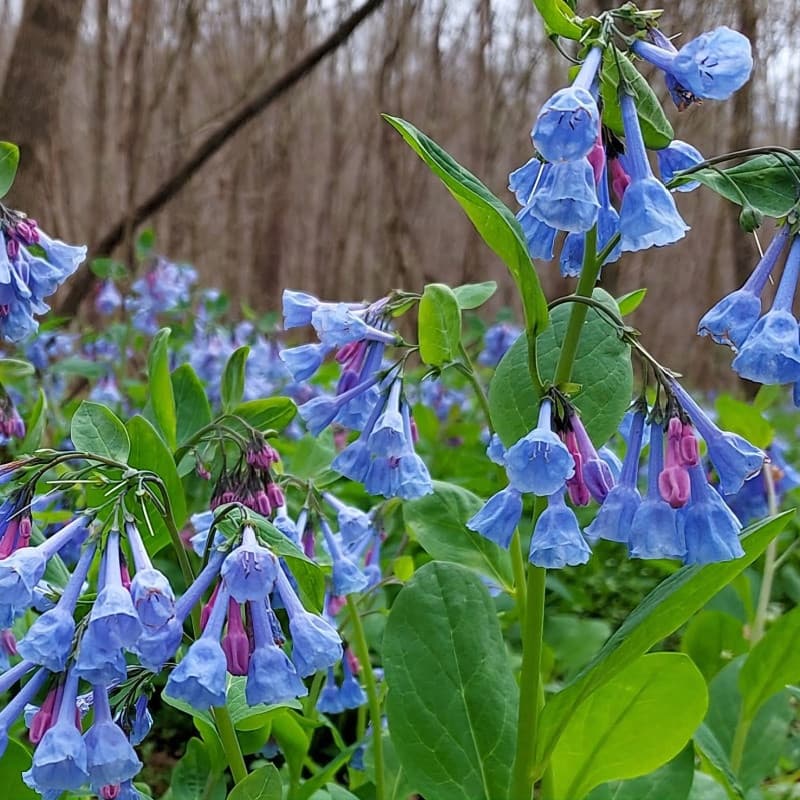
Virginia Bluebell is one of the most breathtaking native wildflowers in North America. Each spring the plant awakens with delicate clusters of bell-shaped blossoms that transform from soft pink buds into glowing sky-blue flowers. When planted in drifts beneath trees or along woodland paths, the blooms create a dreamy blue carpet that signals the arrival of spring.
Gardeners treasure this perennial for their elegance and resilience. The plant thrives in shaded environments where many other flowers struggle. It naturally occurs along woodland streams and forest floors, making it an ideal choice for shade gardens, pollinator habitats, and naturalized landscapes.
Early pollinators depend on it as a nectar source after winter dormancy. Native bees, butterflies, and hummingbirds are drawn to the vibrant blooms. Once established, these perennials return each spring reliably and slowly spread to form beautiful colonies.
At TN Nursery , we grow strong, healthy plants that establish quickly and thrive in home landscapes.
Key Benefits
Native woodland perennial
Early spring blue flowers
Excellent for pollinator gardens
Thrives in shade environments
Low maintenance once established
Botanical Details
Botanical Name: Mertensia virginica
Common Name: Virginia Bluebell
Plant Type: Native perennial wildflower
Height: 12–24 inches
Spread: 12–18 inches
Bloom Time: Early to mid spring
Flower Color: Blue (pink buds)
Growth Habit: Clumping, naturalizing
Wildlife Value: Nectar source for early pollinators
Virginia Bluebells belong to the Boraginaceae family and are native to rich woodland ecosystems throughout eastern North America. The foliage emerges early in the season and goes dormant once summer heat arrives.
Growing Conditions
Hardiness Zones
Virginia Bluebells grow well in USDA Zones 3–8 , covering much of the United States.
Sunlight
• Partial shade
• Full shade
• Morning sun tolerated
Soil
Prefers moist, rich soil with organic matter similar to woodland forest floors.
Landscape Uses
Virginia Bluebells are commonly used in:
• Woodland gardens
• Naturalized landscapes
• Pollinator gardens
• Shade borders
• Native habitat restoration
• Streambank plantings
When planted in groups, they create one of the most beautiful spring displays possible in shaded gardens.
Plant Care
They require minimal care once established.
Watering
Keep soil moist during the spring growing season.
Spacing
Plant 12–18 inches apart.
Maintenance
Foliage will naturally go dormant in summer. This is normal and part of the plant's life cycle.
Mulching
Leaf mulch helps mimic woodland soil conditions.
Comparison Guide
| Plant | Bloom Time | Shade Tolerance | Pollinator Value |
|---|---|---|---|
| Virginia Bluebell | Early Spring | Excellent | Very High |
| Columbine | Late Spring | Moderate | High |
| Trillium | Early Spring | High | Moderate |
Virginia Bluebells are often chosen for large woodland drifts and natural spring displays.
Native Plant Ecology
Planting native species such as Virginia Bluebells helps restore ecological balance in home landscapes. These plants evolved alongside local wildlife and provide critical food sources for early pollinators emerging after winter.
By planting native perennials, gardeners support biodiversity while reducing the need for fertilizers, pesticides, and excessive watering.
Why Gardeners Trust TN Nursery
TN Nursery has been supplying high-quality plants to gardeners and landscapers for decades.
Customers choose TN Nursery because we provide:
• Healthy nursery-grown plants
• Strong root systems for easy establishment
• Native plants adapted to U.S. climates
• Affordable pricing
• Reliable shipping
Our mission is to help homeowners plant more native species and build thriving landscapes.
Shipping Information
TN Nursery ships plants bare root during dormancy, which protects plant health and reduces shipping stress.
Bare-root plants offer several advantages:
• Faster root establishment
• Lower shipping costs
• Environmentally friendly packaging
• Healthier long-term growth
Orders ship during the correct planting season for your region.
Returns & Customer Support
If you experience any issue with your order upon arrival, contact our support team and we will work quickly to resolve it.
Customer satisfaction and plant health are always our top priorities.
Virginia Bluebell Is A Pollinator’s Paradise
This plant enhances a landscape with exceptional beauty while providing vital nectar for bees and butterflies as well as other pollinators. The delicate flowers of this plant reach full bloom and transform your garden into a bustling arena of activity that maintains its vibrant and lively character. The delicate dance of the flowers in the wind along with the activity of pollinators creates a serene yet vibrant atmosphere. The planting of this woodland gem assists gardeners in supporting their local ecosystems while they witness the development of vibrant natural displays.
Virginia Bluebell Offers Effortless Beauty Year After Year
This perennial plant serves as a perfect garden addition for people who want a low-maintenance yet visually impressive option. The plant grows well in rich, well-drained soil in partial to full shade and naturally forms beautiful, soft blue clusters that bloom each spring. Once established in your garden, this plant requires minimal maintenance, so experienced gardeners and beginners alike can enjoy its benefits. The plant creates a delicate yet captivating presence in any landscape environment when planted along garden paths or in woodland beds beneath towering trees.