
Walking Fern
$6.99
Product Details
Walking Fern Form and Structure
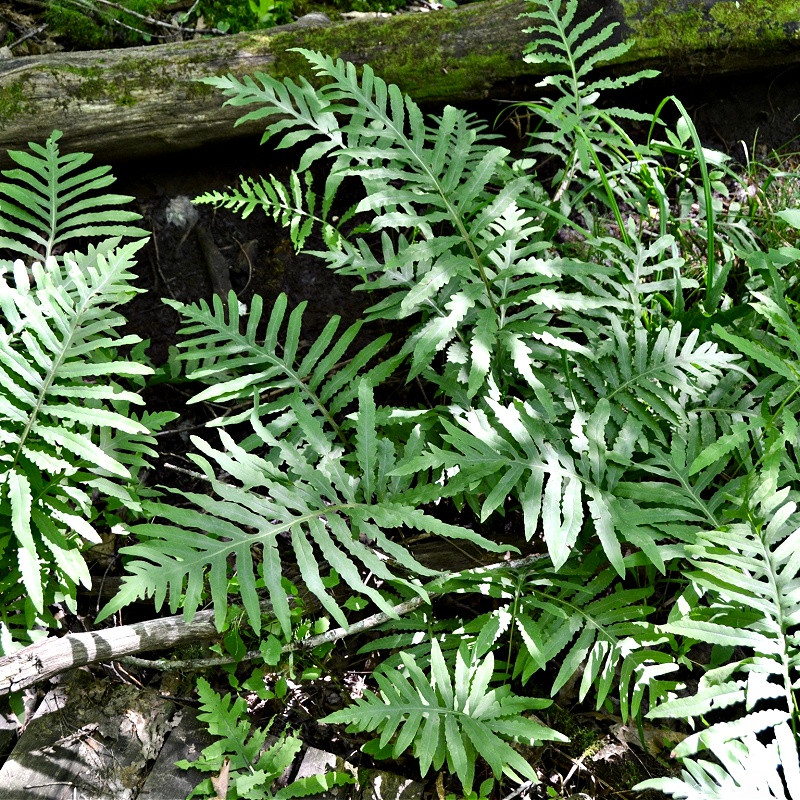
Walking fern has long and slender fronds that arch outward as they grow. Each leaf feels smooth with a satiny sheen, giving it a refined look. Asplenium rhizophyllum may send its fronds tip rooting along the forest floor, creating new clusters of growth. These plants develop gradually as each trailing tip gently kisses the ground and begins new growth outward. Leaves join others that came before in a slowly expanding draping mat. Mature plants maintain a low and airy structure throughout the season. The plant has an unhurried flow about it that evokes calmness.
Walking Fern Growth Requirements
A location with bright shade to light sun promotes consistent growth for them. Medium moisture soil that does not dry out completely will keep fronds happy. Frequent water while the plant is actively growing encourages lush foliage and outward expansion. A light breeze through the planting bed provides movement and a natural texture. They grow at a uniform rate and will gradually spread each year if provided with stable conditions.
Ways to Use Walking Fern in Your Landscape
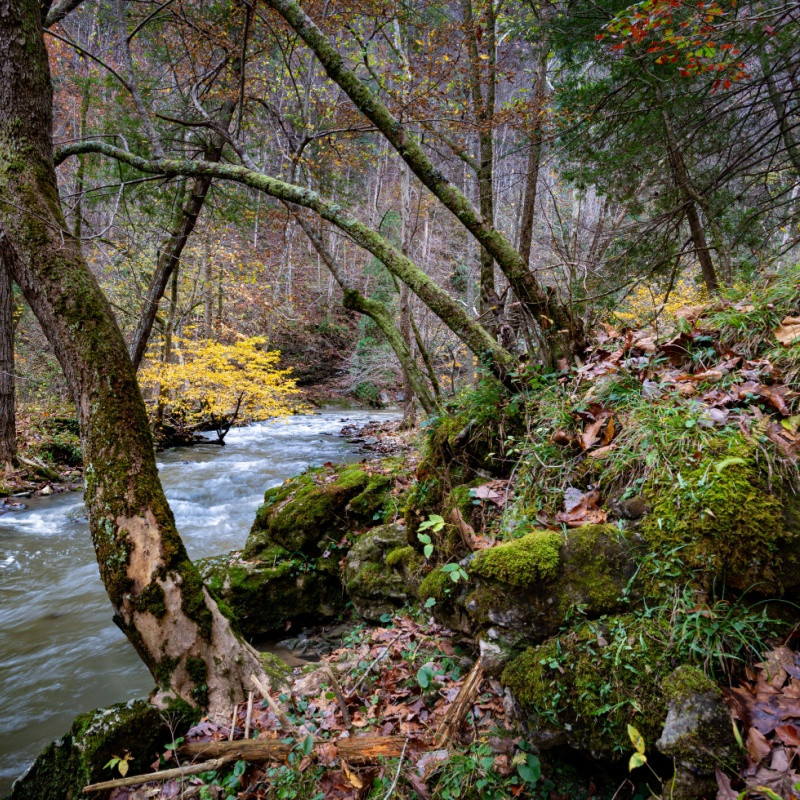
Walking FernThese plants work well as a groundcover and can add texture, interest, and softness to shaded parts of the landscape. Try planting these perinnials beneath trees, near stepping paths, or around stones where smaller details can be enjoyed. Combine plants that share its woodland habitat such as moss, trillium, wild ginger, or other shade perennials for a varied look that flows together. They provide contrast in shape while retaining your garden’s natural style.
FernsSeasonal Interest of Walking Fern
These fern provides gardeners with dependable texture and clean foliage year after year. As the plant matures and spreads it creates a more lush and complete look. Seasonal shifts in color provide subtle change as the fern maintains ornamental appeal. Walking Fern is a great choice if you enjoy watching your woodland garden slowly change.