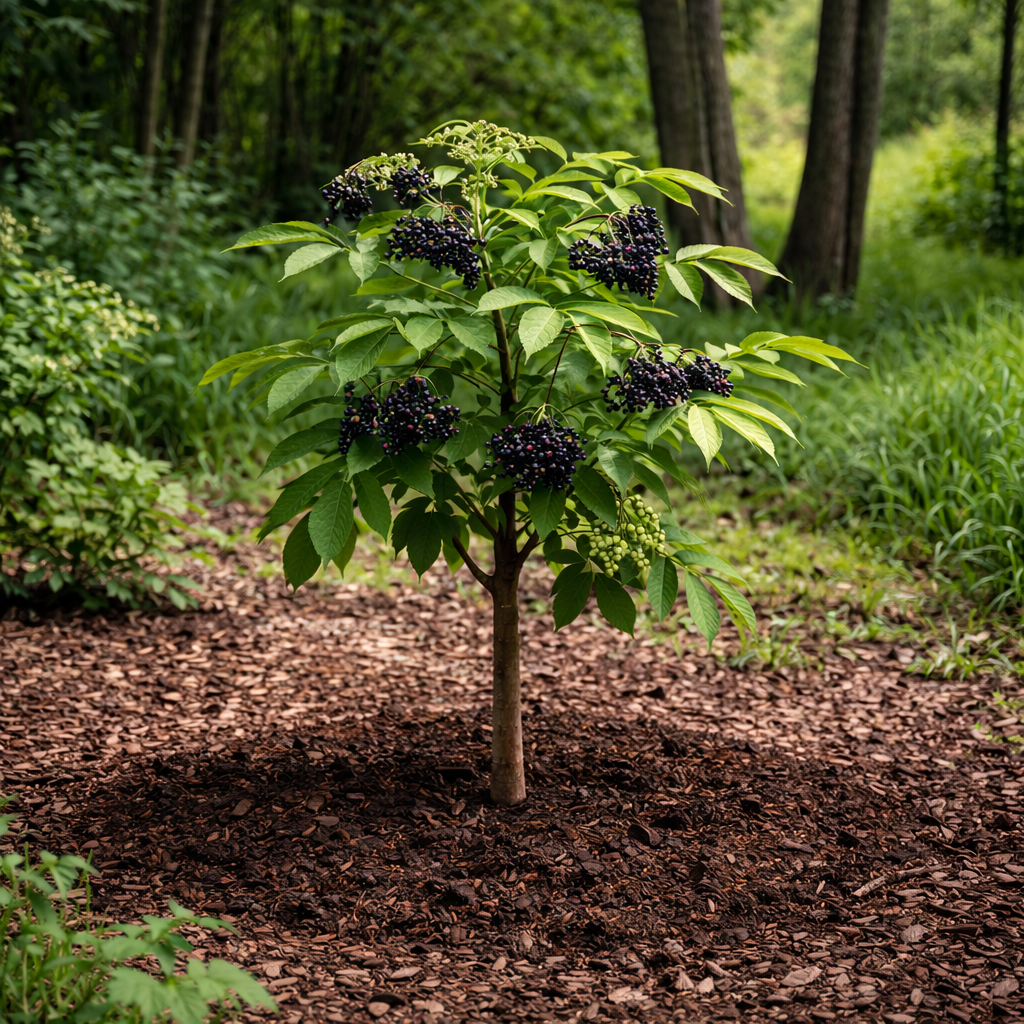
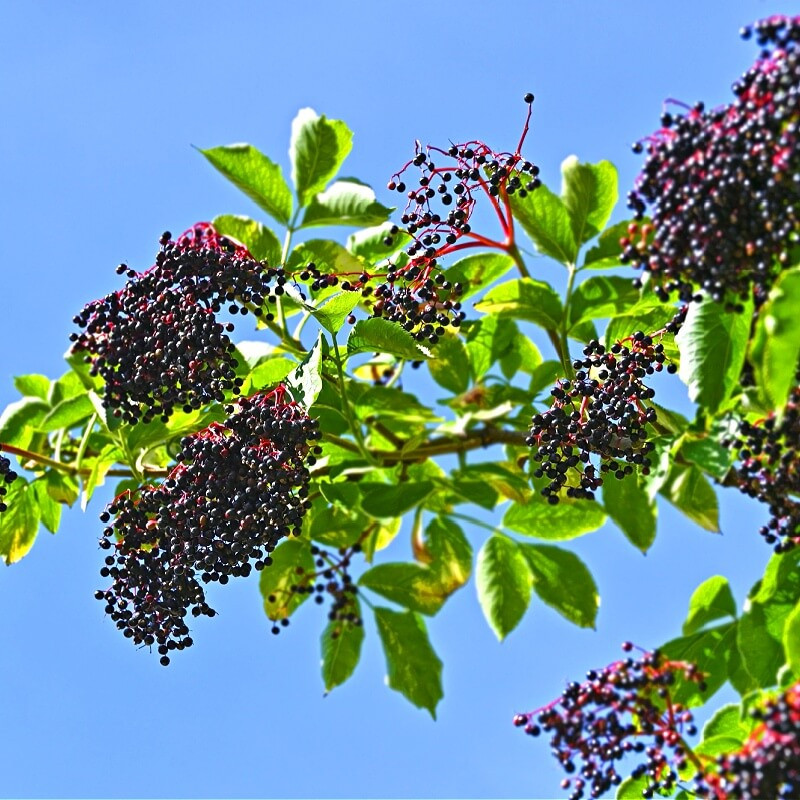
Elderberry Tree
$26.99
—$36.99
- Size
Product Details
Growing Elderberry Tree
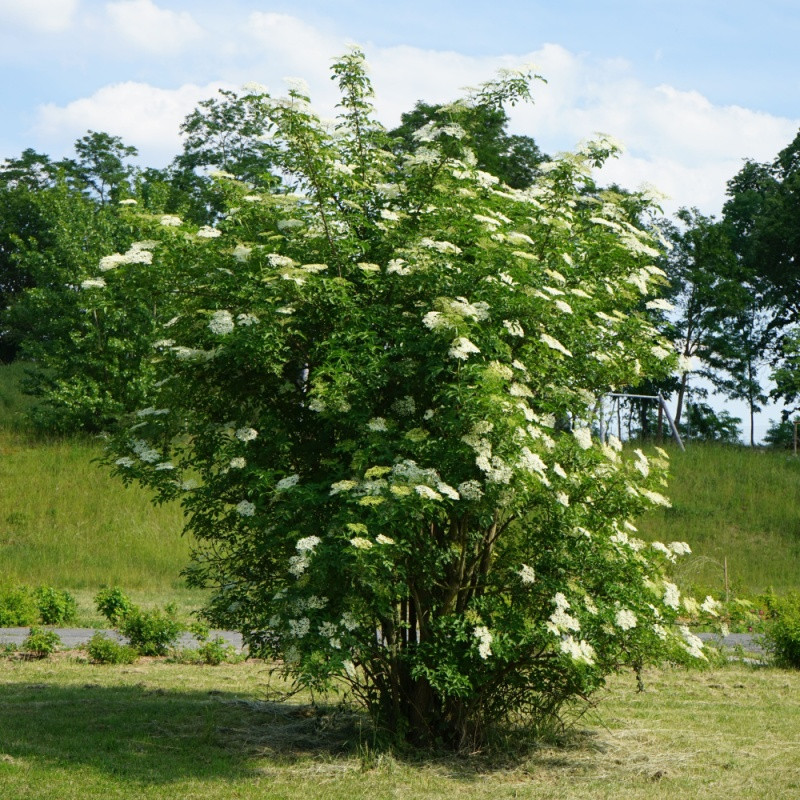
The Elderberry Tree landscape plant is easy to grow. It will establish itself rather quickly and will tolerate a wide variety of conditions while supplying you with generous returns for many years to come. After Sambucus canadensis is planted it doesn’t require much attention to become established. It quickly forms a multi-stemmed shrub full of natural beauty perfect for borders, near planting beds or as a natural.buffer. This plant grows well in USDA zones 3-9 and does very well throughout our country. It’s not picky about cold weather but likes it when Mother Nature brings on the warm weather again. If planted in the right location it’s pretty forgiving if you haven’t pampered it while getting established. Sambucus can handle a variety of soil types and will come back each year after you prune it in the fall or winter.
Planting Elderberry Tree
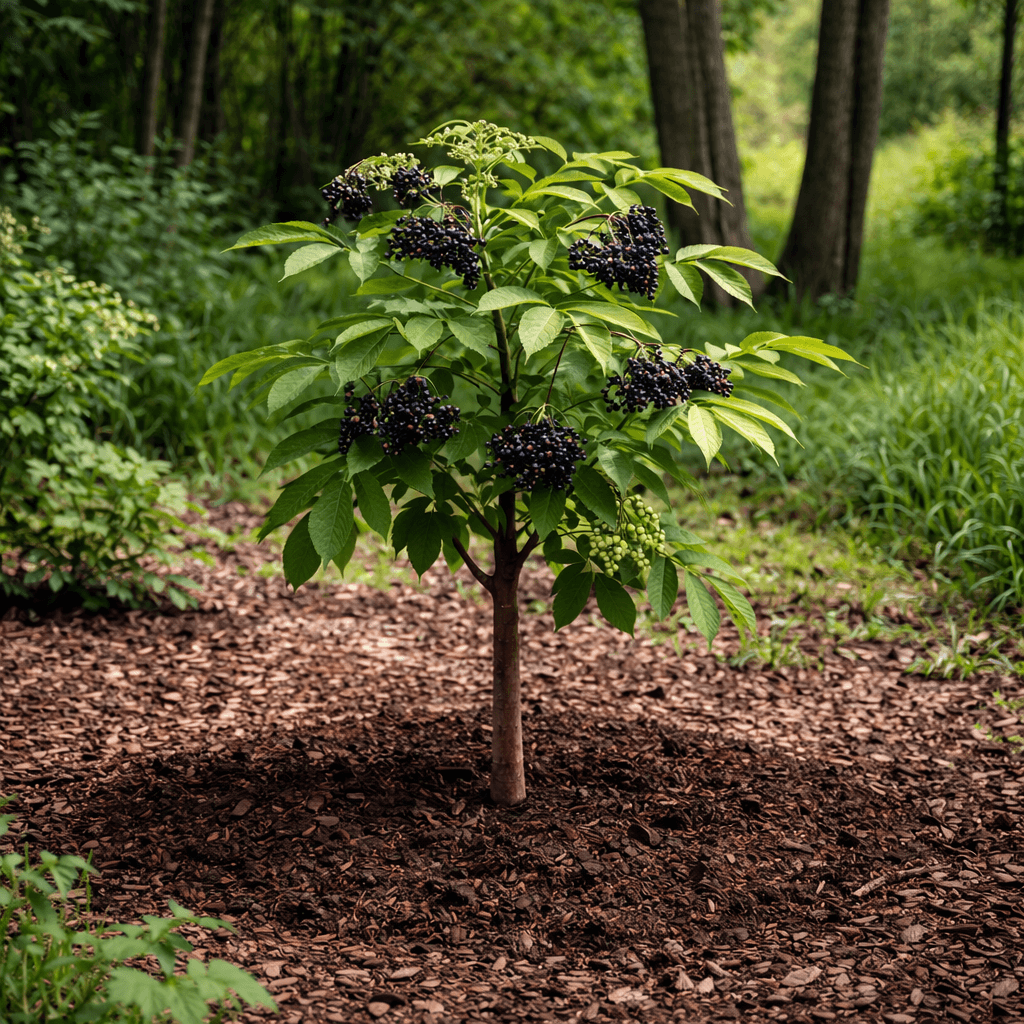
When planting it, plant them where they will receive full sun to partial shade. Full sun will allow Sambucus canadensis to produce the woodiest stems and fullest growth. When preparing to plant, there is no need to go overboard with soil prep. Loosen up the soil and make sure it drains well. While it prefers to have regular moisture, it will adapt to average moisture conditions in your landscape or garden once established. I have had great success with these planted just off the top of a slope where water naturally wants to flow and pool. You will certainly get good results by planting in your average raised garden bed as well. Planting distance should allow for adequate air circulation and room for the plant to grow naturally. This isn’t a plant that wants to be clipped and formed into tight upright shapes. Water well and apply a layer of mulch to help retain moisture and promote steady root growth all season long.
Caring for Elderberry Tree
Elderberry TreeCaring for it could not be easier. This may be another reason why it’s so popular with home owners and growers. I like to water Sambucus canadensis throughout drought periods but after it becomes established this is a low maintenance plant. A slight trim down after the worst of winter has passed is all that is necessary from a pruning perspective. New growth will spring forth promptly and fill in any open spots you may have left. This plant doesn’t mind if you throw a little bit of compost on top of the soil each year but it doesn’t require tons of feeding. Many times just observing this plant throughout the year and cutting it back in late winter is enough to keep it around and looking good. Filling out and becoming dense with foliage as the season progresses you’ll find this plant actually requires very little care to thrive.
Elderberry Tree Uses in the Landscape
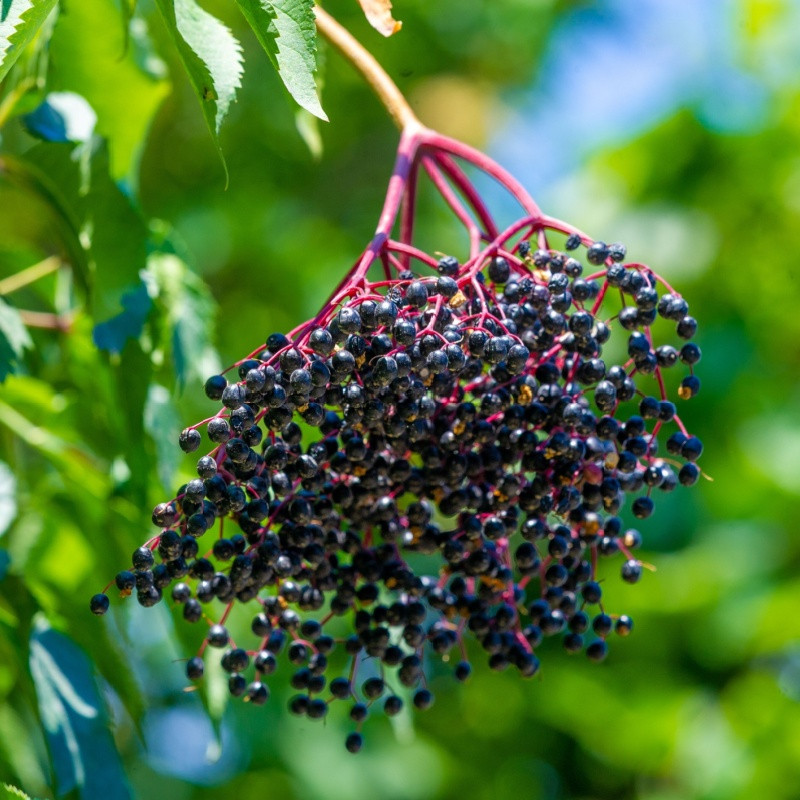
Fruit PlantAs you can see, Elderberry Tree works great in a landscape or garden setting. This allows you to utilize the numerous benefits these beautiful shrubs have to offer. Looks beautiful when planted in masses as the creamy flower clusters emerge in late spring. As we know quality trees lead to beautiful berries so expect this happening as Mother Nature moves her season along. Plant Sambucus canadensis anywhere you want to add natural beauty. They mesh very well in a native planting or wildlife garden. They also work well as a filler in your informal garden settings. Since this is one tree that seems to establish itself quite quickly you will enjoy this as soon as you get it in the ground. Plant it once and continue to care for it as described above and you have a winner that will finish strong.