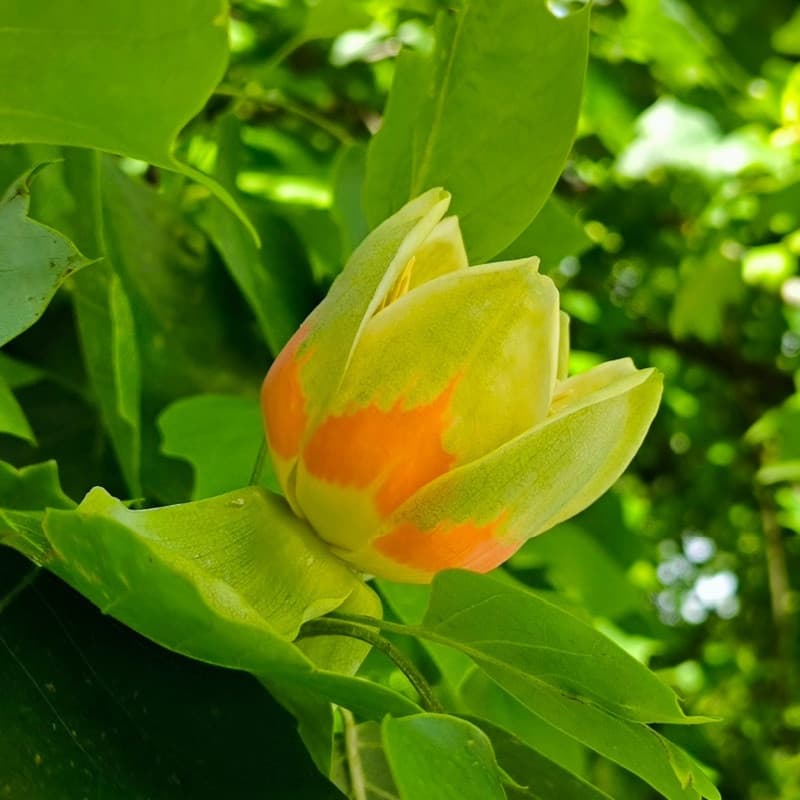
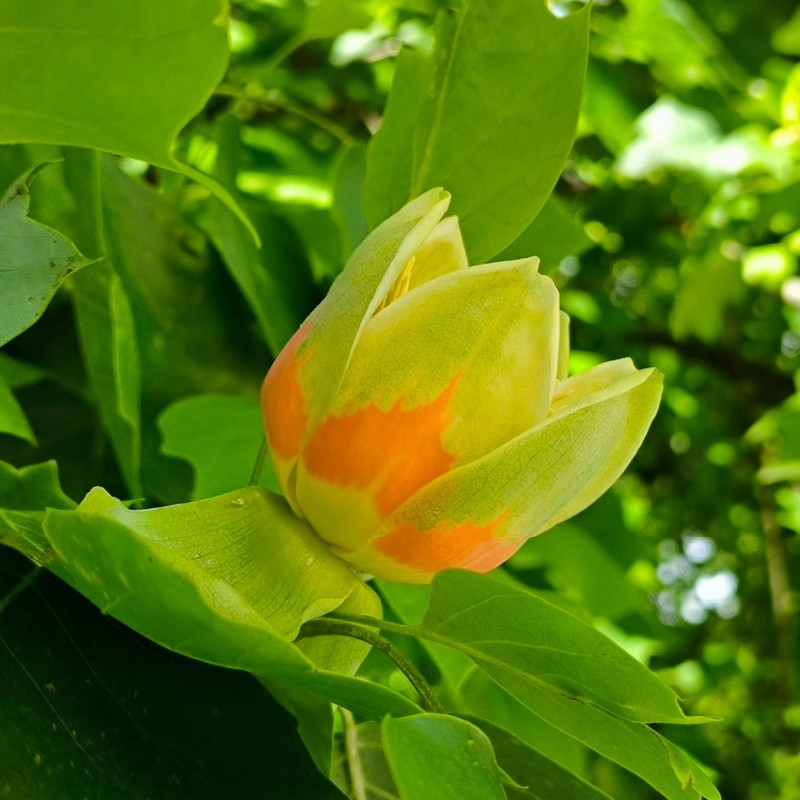

Tulip Tree
$24.99
—$36.99
- Size
Product Details
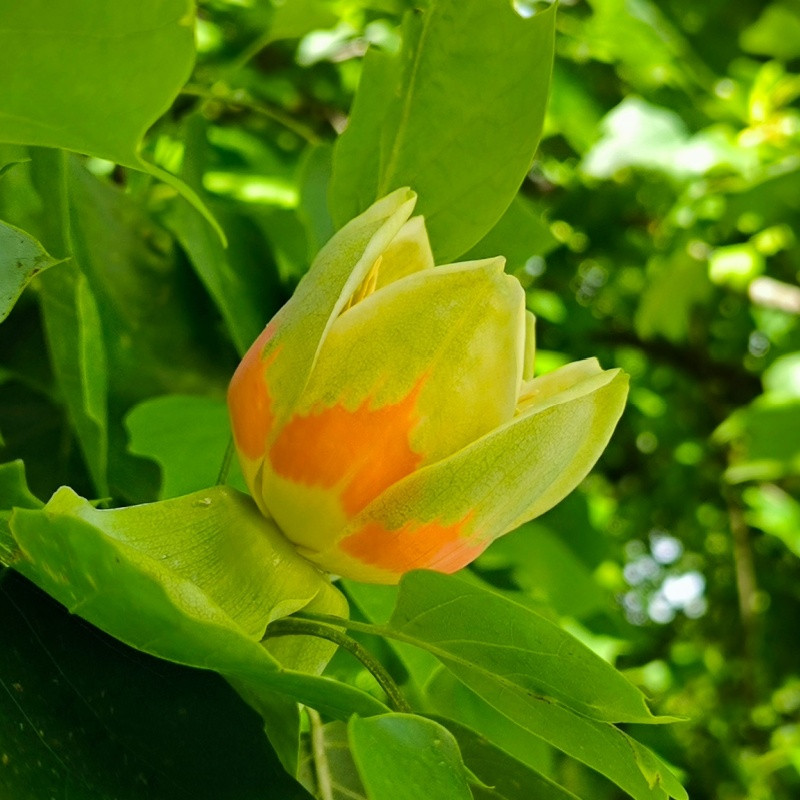
A Tulip Tree is a broad, straight-growing hardwood that will add instant scale, beauty, and permanence to a landscape. This fast-growing, elegant tree (Liriodendron tulipifera) has been called one of the easiest large shade trees to grow and enjoy from day one. It’s vigorous right from the start and has a natural, clean, upright growth habit. Gardeners in zones 4 to 9 appreciate this tree’s willingness to acclimate to many different climates, from cooler northern ones to warmer southern ones. It requires minimal shaping or training to look like it belongs, growing into a handsome, timeless tree that seems like it has always been there.
Tulip Tree Growth Habit and Natural Beauty
It has an open and airy growth habit that is both elegant and powerful at the same time. It’s a tree that makes a statement in the landscape without overshadowing its surroundings. Botanically known as Liriodendron tulipifera, this tree has a tall, straight trunk and naturally symmetrical canopy that creates a refined appearance even when young. The unique, maple-like leaves create visual interest all season long, catching the light and dancing in the breeze, adding life to your yard. As the tree matures, it gains even more presence and drama, becoming an excellent specimen for open lawns, expansive gardens, or property borders. It has a natural form and beauty that requires little to no shaping, which is perfect for those who want a great-looking tree without a lot of pruning and fuss.
Tulip Tree Planting and Site Selection
One of the secrets to the success of the tree is planting it where it has plenty of space to develop both its roots and its canopy. Its site preference is for well-drained soil, but it also likes a planting spot that gets lots of consistent sunlight all day long. Make sure to ready the planting hole properly, so that it is wide enough for you to loosen the soil surrounding the root system of the tree. Once in place, it responds well to the regular watering that all new trees should get during their first growing season. This process of regular irrigation helps develop a healthy root system that will set the tree up for success in the future. It is easy to adapt to a range of soil types, making it a tree that gardeners in zones 4–9 find very forgiving. For a first-time gardener or someone planting their first tree, that alone makes the process a lot less daunting.
Tulip Tree Care and Ongoing Maintenance
Tulip TreeThe reason people love them so much is that it is low-effort after you get it established. Known to botanists as Liriodendron tulipifera, this tree is a real joy in the care department. Provide it with regular water during long dry spells to support healthy and consistent growth, especially in the early years. You will be surprised how little feeding is needed when it is planted in reasonably fertile soil as it comes up like gangbusters. Since it is such an upright grower and has a strong natural branching pattern, pruning is reduced to the occasional thinning as the tree matures. This is a lovely tree for those who don’t like to fuss.
Tulip Tree Longevity and Landscape Value
Tulip TreeWhen you think about trees that add long-term value, few can top this tree, which just keeps getting better. It’s the Liriodendron tulipifera ability to provide generous shade, visual height, and a natural sense of permanence that can truly transform outdoor spaces. Homeowners love how this tree will grow quickly but not need to be fuss over constantly, while many landowners like the way it adapts to various sites with real strength and resilience. Whether you plant it as a specimen or as part of a larger, more naturalized planting, it becomes even more dramatic with time. It gives you beauty and presence for decades or even generations. From planting day to maturity, it is an easy, satisfying choice, and a favorite among so many gardeners. One more time around the block, and it all ends the same way as it began, with confidence in Tulip Tree.