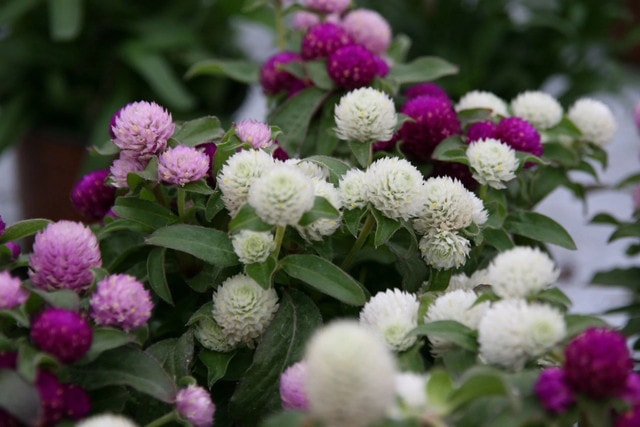
Perennials are consistent plants that bloom every season as long as they are taken care of, and they are therefore among the favorite plants of gardeners. When perennial plant care is learned appropriately, then gardens remain colorful and healthy without having to be replanted regularly. The little bit of maintenance you adopt now will pay off in the long run, and you will continue to enjoy your gardening with perennial plants every year. At Tree Nursery Co., we deliver robust and durable perennial shrubs that are supported by professional advice that you can rely on.
Why Proper Care Helps Perennials Return Stronger Each Year
Knowledge of the basics of perennial plant care will provide the basics of successful gardens. The perennials also differ in the aspect that they store energy in the form of strong root systems that enable them to grow more than once a year. This is to say that every year, you will have plants that are more developed and healthy when under the right care.
Benefits of proper perennial care:
- Better root systems are produced yearly.
- More flowers in later seasons.
- Increased resistance to pests and disease.
- Less frequent replacement planting is required.
When you invest your time in learning how to care for perennials, you are planting something that is already established with every season. This is exactly the case with our Coneflower Plant, which has a higher number of flowers when given proper care as it grows. These plants sustain positive soil organisms and produce sustainable landscapes that get enhanced with time.
How to Water Perennial Plants the Right Way?
Easy-care perennial plants need to be watered properly and planted nicely to grow properly. Perennials like moist soil but not waterlogged soil, but most perennials do not need too much water, depending on the species.
The profound watering of 1-2 times per week is much more efficient than the shallow watering per day. Water at the ground level so that no fungal problems occur, and in the early morning when there is low evaporation. Vary frequency according to rain and temperature to prevent overwatering or drought stress.
The drought-resistant perennial, such as the Carex Pennsylvania Plant, becomes drought-resistant when it gets established in deep soil. The constant watering of the plants during the first growing season ensures that the plants develop the root health that guarantees their future success.
Season-based adjustments in watering:
- Spring: Moderate watering when the plants start to grow.
- Summer: Raise frequency of watering during heat waves.
- Fall: Keep moisture until dormancy.
- Winter: Wet soil on dormant plants does not need much watering.
Seasonal Care Tips to Protect Perennials All Year
Gardening with perennial plants must take into account the seasons. There are dedicated activities of care that are performed to maintain the health of plants and help them survive the upcoming growth period.
Spring Care
The active growth starts with spring. Clean winter mulch out little by little, trim off withered leaves, and partition overcrowded plants. Add new compost to the soil to boost soil life, and add balanced fertilizer as new plant growth is experienced. It is also the most appropriate period to subdivide plants every 3-4 years to ensure vigor.
Summer Maintenance
Summer is concerned with deadheading, watering, and observing the health of plants. The continuous blooming of long-lasting perennial flowers, such as the Orange Ember Trio, is promoted by regularly deadheading the plants. Water regularly, monitor pest and disease problems, and stake tall varieties in advance of storms to avoid damage.
Fall Preparation
Fall care is used to prepare perennials for winter dormancy. The season is the best time to plant new perennials for low-maintenance perennial garden designs. Reduce diseased or damaged foliage and retain healthy foliage to protect it during the winter. Now apply 2-3 inches of mulch when the ground is frozen, and plant new perennials 6-8 weeks prior to frost.
Winter Protection
Depending on the climate, winter care is different. In lower temperatures, the mulch serves to shield the systems of roots against freezing and thawing, which may destroy plants. The use of mulch after soil freezing, limiting the number of feet on frozen beds, and abandoning seed heads to wildlife habitat with rodent monitoring should be applied.
Essential Soil and Fertilizer Care for Healthy Perennials
Well-fertilized soil provides high growth of perennial plants. Concentrate on organic materials and microbial diversity development, and not on synthetic fertilizers, only to maintain the perennial plant care in a sustainable manner.
Apply compost of 2-3 inches per year, measure the pH of the soil at intervals of 2-3 years, add organic matter to enhance the structure, and promote the activity of positive soil life. In the USDA Plants Database, it is stated that native perennial plants such as the Bulrush Plant need soil that is fertile with a high amount of organic matter.
Fertilization guidelines:
- Use balanced fertilizer at the beginning of spring.
- Consume slow-release organic products.
- When fertilizing, avoid excessive fertilization, which encourages weak growth.
- Pay attention to soil health as opposed to feeding frequently.
Easy-care perennial plants need little fertilization after being planted. Compost used in spring usually supplies sufficient nutrients throughout the growing period, and there is no need for maintenance, which is cost-effective. Fertilize newly planted perennials until the second growing season.
Simple Habits That Keep Perennials Thriving Long Term
The creation of a regular caring routine changes the hectic care of perennials to manageable. Minor routines avert great issues and contribute to the survival of plants.
Check plants once a week in the growing season to identify problems in the early stages. Weeds are to be removed before they can compete for the nutrients, and the mulch should be applied on the ground each year to keep the weeds at bay and keep the ground moist. Note the bloom time and take performance notes to know what works best in your particular garden conditions.
Creating low-maintenance perennial garden designs begins by having the right plants under the right conditions. The Yellow Primrose Plant is able to thrive in the partially shaded area with wet soil; thus, it fits in tough areas of the garden.
Division and renewal practices:
- Separate large ones after every 3-5 years.
- Share divisions with fellow gardeners.
- Replant new varieties of weary ones.
- Its declining plants can be replaced after multiple seasons.
Keep a check on typical pest and disease problems at the earliest stage, cut off infected foliage as soon as possible, maintain adequate air circulation with adequate spacing, and select resistant varieties of pests and diseases. The practices guarantee the long-lasting perennial flowers to perform for a long period of time with enhanced beauty.
At Tree Nursery Co., we have found that the most successful perennial gardens are those that have only simple routines seasonally. Record what is performing well in your own garden, strategize on additions, recognize trends in the performance of the plants, and exchange information with other gardeners. Regularity in gardening with perennials allows the development of gardens that mature and get better instead of having to be changed all the time.
Conclusion
Good perennial plant care ensures that gardens are healthy and beautiful throughout the years with very little work. With adherence to seasonable take-care protocols, soil health, and regular habits, you are going to have gorgeous flowers in reliable types such as Orange Ember Trio, Coneflower, Carex Pensylvanica, Bulrush, and Yellow Primrose. Tree Nursery Co. specializes in offering high-quality perennial plants and professional gardening services to enable you to develop low-maintenance perennial garden designs that will enjoy a blooming season in years to come.
FAQs
How to keep perennials alive?
To keep perennials alive, you need to water regularly, mulch, cut extinguished flowers, and mulch roots in chilly climates.
Do perennial plants come back every year?
Yes, perennials come back in the spring out of their own root system, and they grow strong and fruit more when well taken care of.
How do you care for perennial plants year after year?
Plant water at the right time, fertilize in the spring, deadhead, divide on a schedule of 3-5 year intervals, and offer seasonal protection where applicable.
When should perennials be cut back?
Reduce during the end of the fall when the foliage is dead or during early spring before the new growth has developed, according to the type.
Do perennials need fertilizer every year?
The majority of the perennial plants like annual spring fertilization with compost or slow-release balanced fertilizer.
Where can I buy healthy perennial plants online?
Tree Nursery Co. provides high-quality perennial plants and takes care of them with professionalism and safe shipping.