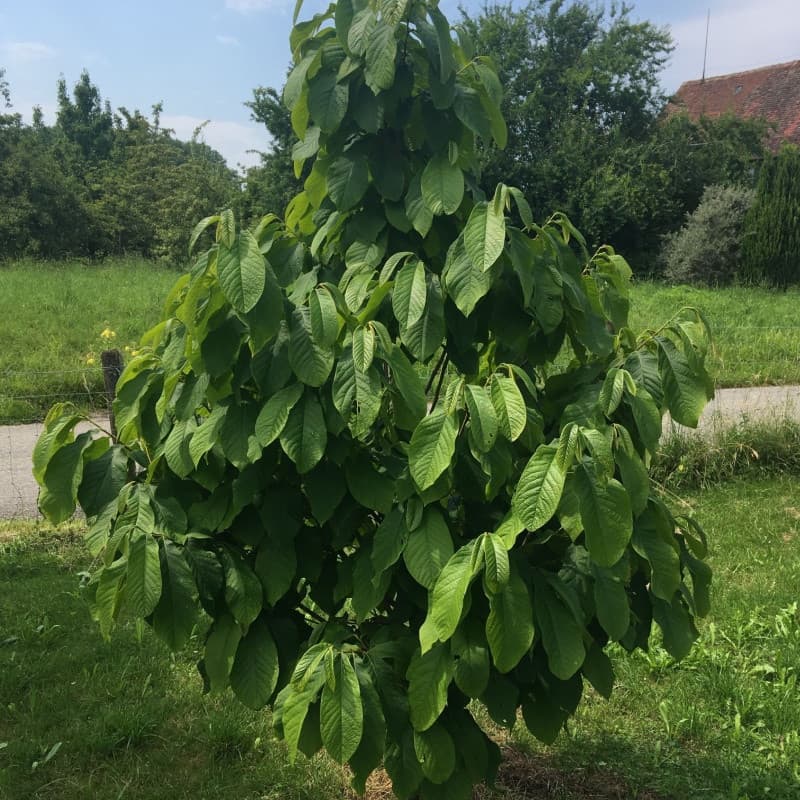
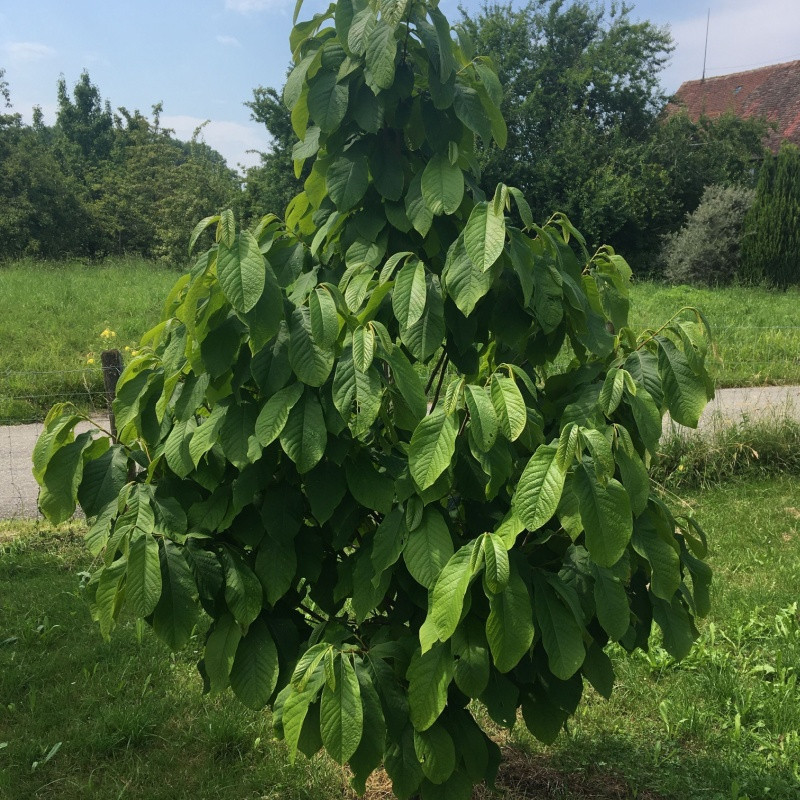
Pawpaw Tree
$39.99
—$54.99
- Size
Product Details
Pawpaw Tree – Native Fruit Tree With Tropical Flavor
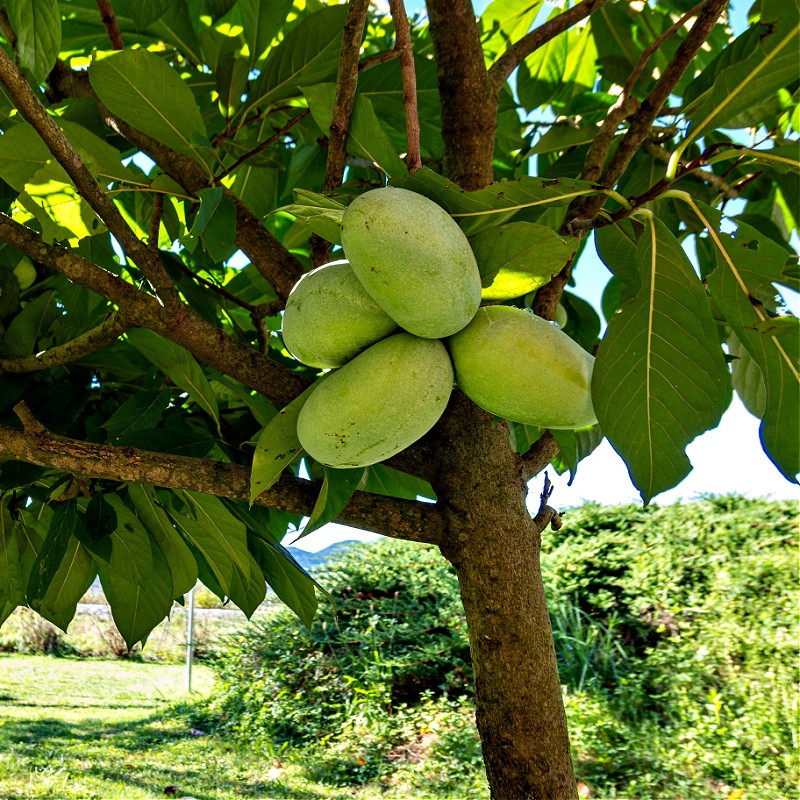
The Pawpaw tree (Asimina triloba) is one of North America’s most fascinating native fruit trees. Hidden for generations in rich woodland valleys and along riverbanks, this remarkable tree produces large, custard-like fruits with a flavor often described as a blend of banana, mango, and vanilla. When gardeners discover Pawpaw trees, they quickly realize they are growing something truly special — a native fruit with exotic taste and deep ecological value.
They grow naturally throughout the eastern United States and thrive in landscapes that mimic their woodland origins. In spring, the tree produces unusual maroon-colored flowers that later develop into clusters of green fruit. By late summer to early fall, the fruit ripens into soft, sweet treasures that have been enjoyed for centuries by both people and wildlife.
At TN Nursery, our native fruiting trees are grown with strong root systems so they establish quickly and thrive in home orchards, edible landscapes, and woodland gardens.
Key Benefits of Pawpaw Trees
• Unique tropical-flavored fruit grown in temperate climates
• Native tree that supports wildlife and pollinators
• Excellent for edible landscapes and food forests
• Thrives in many parts of the United States
• Low maintenance once established
• Native tree that supports wildlife and pollinators
• Excellent for edible landscapes and food forests
• Thrives in many parts of the United States
• Low maintenance once established
These trees are increasingly popular among gardeners who want to grow native fruit trees that offer both beauty and harvestable rewards.
Botanical Information
Botanical Name: Asimina triloba
Common Name: Pawpaw Tree
Plant Type: Native deciduous fruit tree
Mature Height: 15–30 feet
Spread: 15–20 feet
Bloom Time: Early to mid spring
Fruit Ripening: Late summer to early fall
Growth Rate: Moderate
Soil Preference: Rich, moist, well-drained soil
Common Name: Pawpaw Tree
Plant Type: Native deciduous fruit tree
Mature Height: 15–30 feet
Spread: 15–20 feet
Bloom Time: Early to mid spring
Fruit Ripening: Late summer to early fall
Growth Rate: Moderate
Soil Preference: Rich, moist, well-drained soil
The tree belongs to the Annonaceae family, which includes tropical fruits like cherimoya and soursop. It is the largest edibl fruit native to North America.
Hardiness and Growing Regions
USDA Hardiness Zones: 5–9
Pawpaw trees grow well across a wide portion of the United States, particularly in the Midwest, Mid-Atlantic, Southeast, and parts of the Northeast.
Sunlight Requirements
Young trees prefer partial shade, especially during early establishment. Mature trees can tolerate more sunlight and often produce heavier fruit when exposed to filtered or partial sunlight.
Where Pawpaw Trees Grow Best
They thrive in landscapes that mimic woodland conditions.
Ideal planting locations include:
• Woodland edges
• Edible landscapes
• Native plant gardens
• Food forests
• Stream banks or moist soil areas
• Edible landscapes
• Native plant gardens
• Food forests
• Stream banks or moist soil areas
Planting multiple Pawpaw trees improves pollination and encourages better fruit production.
How to Care for Pawpaw Trees
They are surprisingly easy to grow once established.
Watering
Keep soil evenly moist during the first growing seasons.
Keep soil evenly moist during the first growing seasons.
Soil
They prefer fertile soil rich in organic matter similar to forest soil.
Spacing
Plant trees about 15–20 feet apart to allow proper growth.
Plant trees about 15–20 feet apart to allow proper growth.
Maintenance
Minimal pruning is needed. Remove damaged branches as the tree matures.
Minimal pruning is needed. Remove damaged branches as the tree matures.
With proper conditions, Pawpaw trees become productive fruit trees that can provide harvests for decades.
Pawpaw Tree Comparison
| Native to U.S. | Yes | Yes | Yes |
| Fruit Flavor | Tropical custard | Sweet honey flavor | Berry-like |
| Pollinator Value | High | Moderate | Moderate |
| Shade Tolerance | Moderate | Low | Low |
Pawpaw trees stand out because they produce a tropical tasting fruit on a native woodland tree.
Ecological Benefits
This native tree plays an important role in native ecosystems. The leaves serve as the exclusive host plant for the Zebra Swallowtail butterfly, making the tree extremely valuable for pollinator habitats.
Because Pawpaw trees evolved in North American forests, they integrate beautifully into native landscapes and require fewer chemical inputs than many imported fruit trees.
Why Gardeners Choose TN Nursery
Gardeners across the country trust TN Nursery for high-quality plants that establish successfully in home landscapes.
Customers choose TN Nursery because we provide:
• Healthy nursery-grown plants
• Strong root systems for fast establishment
• Native plants adapted to U.S. climates
• Affordable pricing for homeowners and landscapers
• Decades of nursery growing experience
• Strong root systems for fast establishment
• Native plants adapted to U.S. climates
• Affordable pricing for homeowners and landscapers
• Decades of nursery growing experience
Our mission is to help gardeners plant beautiful landscapes while supporting wildlife and ecological balance.
Shipping Information
TN Nursery ships plants bare root during the dormant season to protect plant health and ensure successful planting.
Bare root plants offer several advantages:
• Faster root establishment
• Less transplant shock
• Lower shipping weight and cost
• Environmentally friendly packaging
• Less transplant shock
• Lower shipping weight and cost
• Environmentally friendly packaging
Orders ship at the proper planting time for your region.
Returns and Customer Support
Customer satisfaction is extremely important to us. If you experience any issues with your order upon arrival, our team will work with you to resolve them promptly.
Our goal is to provide healthy plants and excellent service for every gardener.
Pawpaw Tree FAQs
What does Pawpaw fruit taste like?
Pawpaw fruit has a rich tropical flavor often compared to banana, mango, and vanilla custard.
Do Pawpaw trees need two trees to produce fruit?
Planting multiple Pawpaw trees improves pollination and typically results in better fruit production.
Are Pawpaw trees native to the United States?
Yes. Pawpaw trees are native to the United States and grow naturally in rich woodland soils.
When do Pawpaw fruits ripen?
Most Pawpaw fruits ripen in late summer to early fall depending on the climate.
Customers Also Plant With Pawpaw Trees
Gardeners who plant Pawpaw trees often expand their edible landscapes with additional native fruit and pollinator plants. Combining several species helps create a productive and wildlife-friendly garden.
American Persimmon Trees are another native fruit tree that produces sweet autumn fruit and grows well in many of the same regions as Pawpaw.
https://www.tnnursery.net/products/american-persimmon-tree
https://www.tnnursery.net/products/american-persimmon-tree
Elderberry Bushes are well known for their clusters of dark berries used in jams, syrups, and herbal preparations while also attracting pollinators.
https://www.tnnursery.net/products/elderberry-bush
https://www.tnnursery.net/products/elderberry-bush
Blackberry Plants provide summer berries and are a favorite among gardeners who want productive edible landscapes.
https://www.tnnursery.net/products/blackberry-plants
https://www.tnnursery.net/products/blackberry-plants
Planting several native fruiting species together creates a more diverse garden that provides harvests throughout the growing season.
Why Native Fruit Trees Matter
Planting native fruit trees such as Pawpaw helps restore the balance between gardens and the natural environment. These trees evolved alongside native wildlife and support pollinators, birds, and beneficial insects.
When gardeners plant Pawpaw trees, they are not only adding a unique fruit tree to their landscape — they are helping preserve one of North America’s most fascinating native species.
Quick Tip
Many experienced gardeners plant two Pawpaw trees together to encourage stronger pollination and heavier fruit production.