Hornbeam Tree
$24.99
—$36.99
- Size
Product Details
Form and Growth of Hornbeam Tree
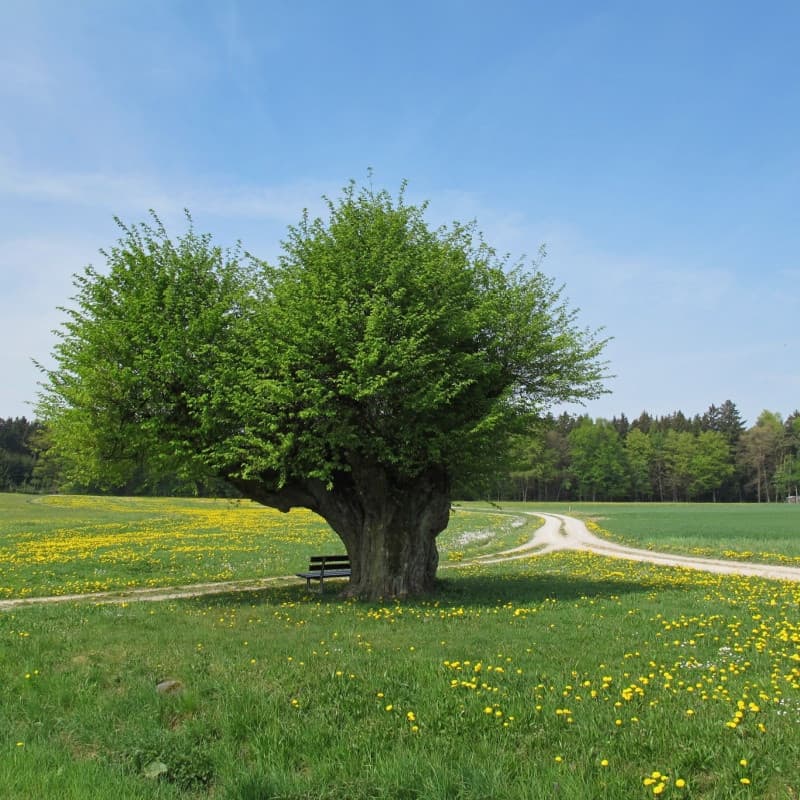
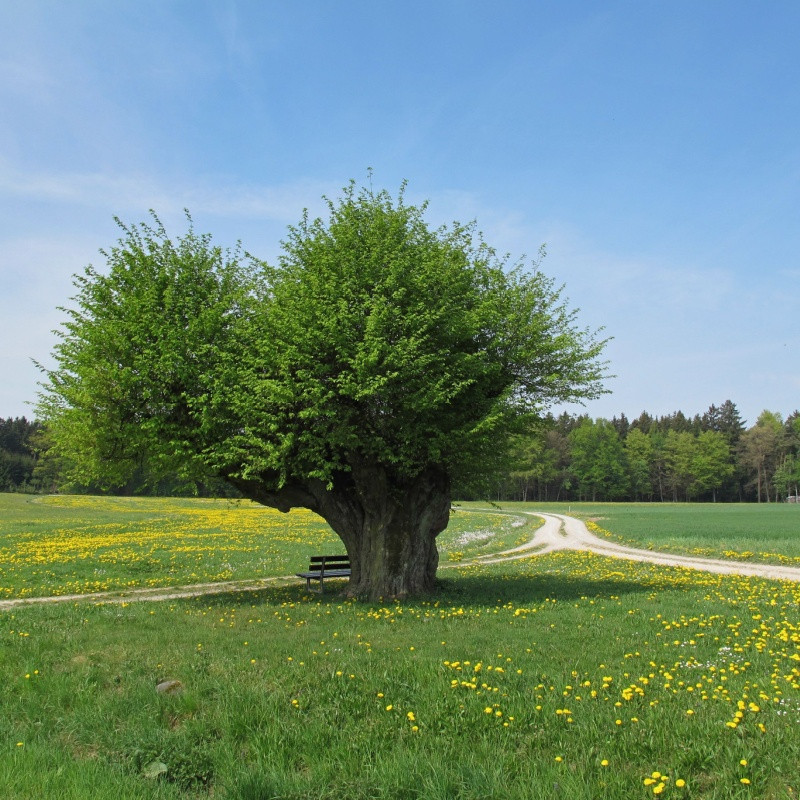
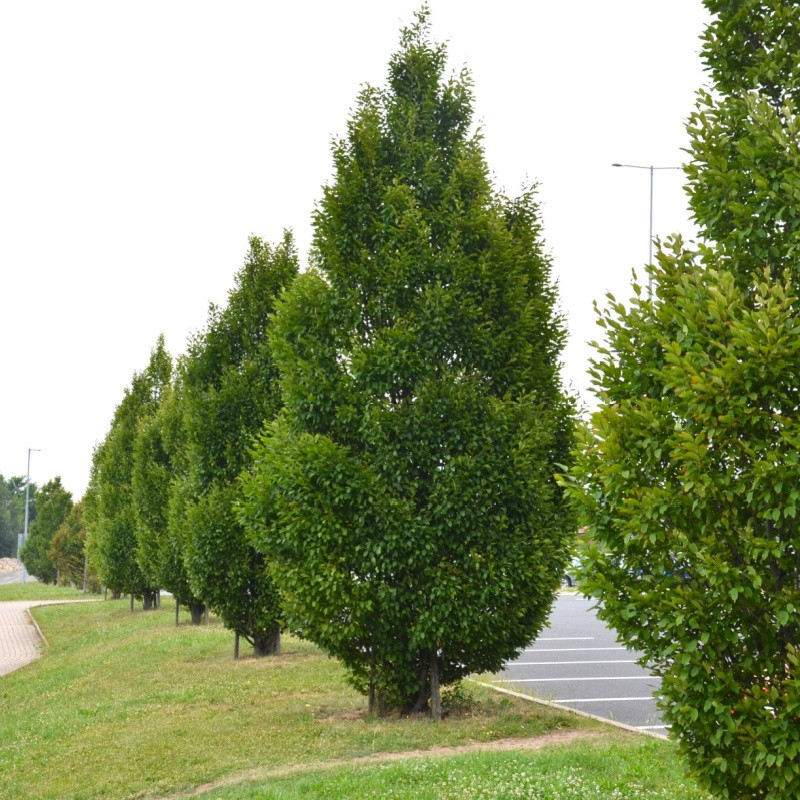
Appealing for its sleek silhouette, robust structure, and tranquil elegance, Hornbeam Tree has a presence that commands respect without demanding attention. Carpinus caroliniana naturally grows in a tidy, upright form that feels grounded and orderly. The trunk expands to reveal smooth muscles that sculpt the overall silhouette into one that is strong and self-assured. Branches extend in a rounded fashion that appear intentional and cultivated, while still maintaining an organic flow. Small to medium leaves mass together during the growing season to form a refined and condensed canopy. As this tree matures, its canopy slowly fills out and takes on more texture and interest. The tree as a whole breathes peace and careful consideration. This tree fits well into open spaces and softer landscapes due to its eye-catching, yet subtle presence.
Growing Conditions and Care for Hornbeam Tree
Flourishes in areas that receive consistent sunlight from day to day. Although it is happy in full sun conditions, it can also tolerate light shade. Bright light encourages an even distribution of growth which creates symmetrical branches. Responds well to soil that is consistently moist but drains well. Water routinely when the tree is growing to promote healthy leaves and steady development. Prefers areas with good airflow that allow the branches and leaves to move without restriction. With dependable growing conditions year after year, the tree will grow at a consistent rate and continue to develop a strong structure. This tree grows very well in many regions with all 4 seasons.
Landscape Uses for Hornbeam Tree
Hornbeam TreeBecause of its polished structure and gracefully muted beauty, it works well to establish presence, texture, and tranquility in a landscape. Since it grows in such a condensed form, it can fit well into yards, gardens, and naturalized settings. Whether used as a standalone feature or blended with other shrubs and small trees, it makes a great choice for adding height and layers to planting designs. The canopy grows to provide soft shade and allows sunlight to penetrate through, inviting those to sit beneath it. Try pairing it with native plants, groundcover, and flowering shrubs to create curated landscapes that have balance and thought behind their design. Whether you prefer more traditional landscapes or cottage gardens, it will complement your landscaping style.
Seasonal Interest and Longevity of Hornbeam Tree
It provides long-lasting appeal due to its slow and consistent development. As the tree matures the canopy will fill out, creating a tree with more substance. Throughout the different seasons of the year, subtle color changes will occur to keep your landscape interesting all year long. Watching it grow and change at a manageable pace can be quite gratifying for those who love to see their landscape flourish. Over time, the tree will become a well-known staple on your property that you can always count on. Once established, you will appreciate its handsome form year after year.
Hornbeam TreeHornbeam Tree’s elegant silhouette and dense growth habit make it a perfect tree to bring structure, symmetry, and perennial appeal to your landscape.