
Forest Pansy Redbud Trees
$44.99
Product Details
Forest Pansy Redbud Trees
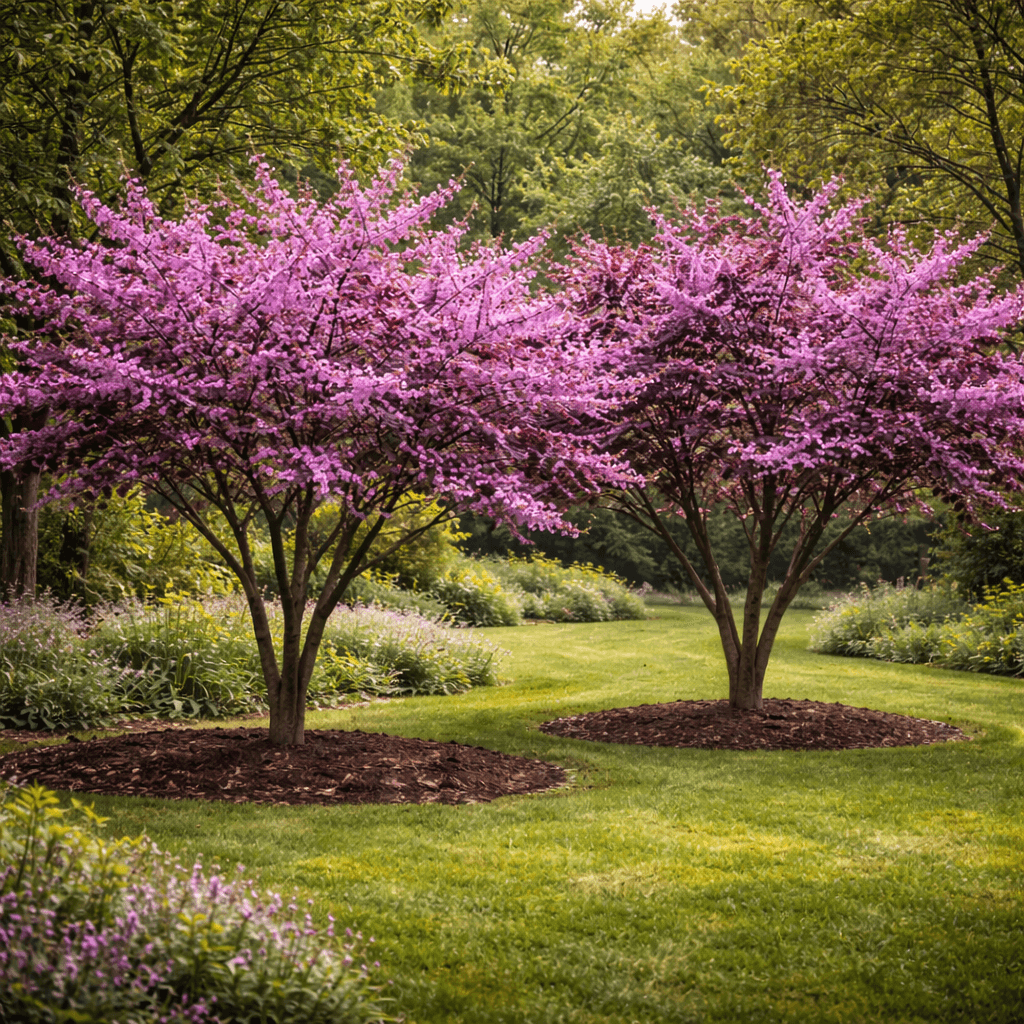
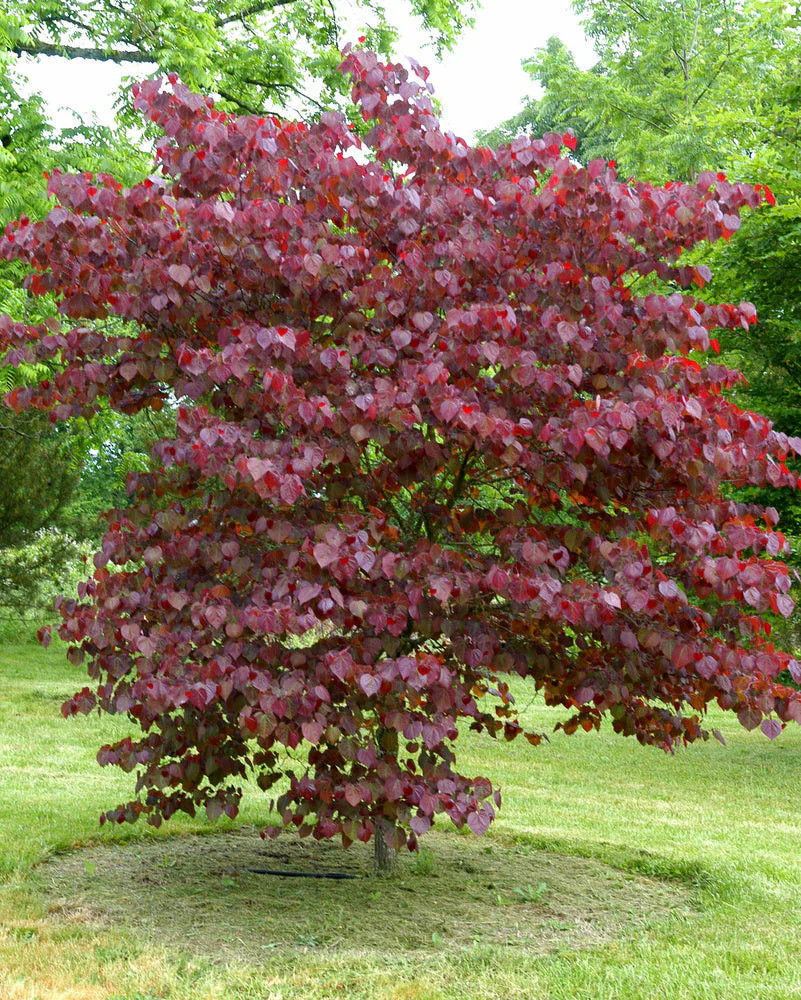
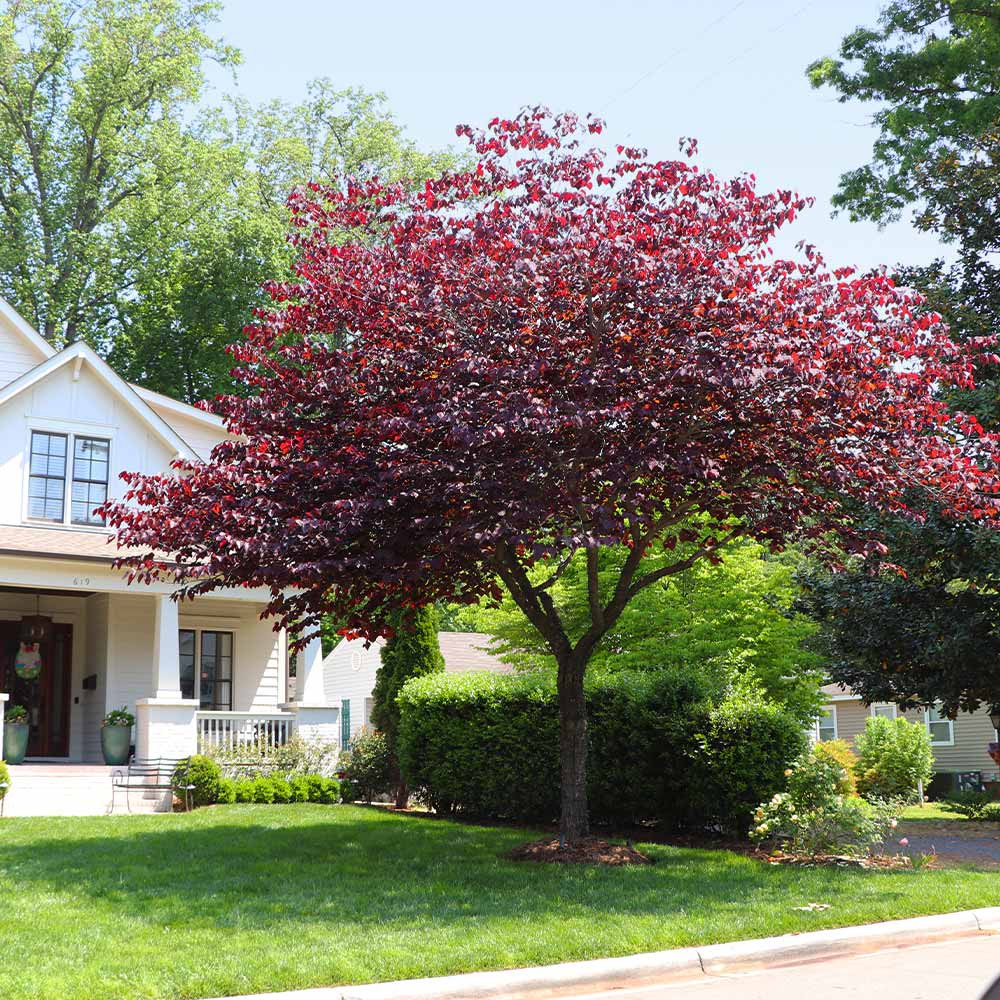
Forest Pansy Redbud Trees are sure to add your landscape with its fabulous color, graceful branching habit and hardy, dependability. Cercis canadensis ‘Forest Pansy’ is highly prized for its heart-shaped leaves that emerge in glowing shades and mature into deeper tones of maroon, which add visual depth and interest to a landscape without feeling contrived. This diminutive ornamental tree can be used in the home garden, at entryways, patios and in mixed borders where it will add structure without competing with other plantings. Gardeners love it for how well it naturally integrates with the environment while providing color and interest throughout the season with very little fuss or maintenance requirements. It is a well-balanced grower and works equally as well in a solitary planting as it does as the anchor for a more intricate landscape design. It will quickly become a standout feature, catching the eye without the need for constant attention.
Forest Pansy Redbud Trees
They are easy to grow within its native planting zones for Cercis canadensis. After it is established this tree grows steadily and without issue in a wide variety of garden soils, as long as the area drains well. A sunny to partially shaded site will give the foliage its best color potential, and still promote a balanced, even growth rate. Watering frequently the first year or so will encourage the root system to become established, after which point the tree is very tolerant of typical seasonal changes. Mulching well around the base will keep the moisture levels even and help to insulate the root zone, making overall maintenance quite simple even for novice gardeners. With a bit of care early on, the tree should repay your effort with trouble free, dependable growth for many seasons to come.
Forest Pansy Redbud Trees
Forest Pansy Redbud TreesThey are celebrated for their flexibility and adaptability in the landscape, which is one of the reasons that Cercis canadensis ‘Forest Pansy’ has long been a popular ornamental tree for gardeners and landscapers alike. Its little size makes it a good choice for small yards and gardens where a visual punch is still desired, and it is also able to easily complement perennials, shrubs and groundcovers, adding contrast through its color and foliage texture, rather than height. Pruning is minimal and largely cosmetic, allowing the tree’s natural form to take center stage. Many gardeners will lightly shape it back in late winter or early spring to maintain a balance, but it often looks best if left to its own devices. The tree also grows at a rate that feels rewarding without becoming overwhelming, providing steady visual development that can be appreciated year after year.
Forest Pansy Redbud Trees
RedbudForest Pansy Redbud Trees continue to delight gardeners long after they have been planted, providing a lasting sense of stability and peace that can only come from a well-selected ornamental tree. As Cercis canadensis ages, it will develop an attractive branching habit that contributes depth and interest to a landscape, giving outdoor spaces a feeling of maturity and warmth. It is also an adaptable tree that performs consistently in the areas where it is hardy, which means it is a good bet for gardeners who want easy, uncomplicated beauty. Whether it is used as a singular focal point or a component in a layered garden design, it weaves together a tapestry of color, harmony and ease that feels effortless and lasting.