Creative Ways to Use Moss as Groundcover in Any Garden
Posted by Tammy Sons on Apr 15th 2026
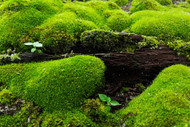
There is something deeply satisfying about a garden that looks like it has always been there — soft, green, and effortlessly natural. Moss ground cover plants have a unique ability to create exactly that feeling, and without the work that most ground covers demand. No mowing, no fertilizing, no replanting each season. If you have a shaded corner that refuses to grow grass, a rocky slope that needs stabilizing, or stepping stones that look bare and harsh, using moss as ground cover is worth serious consideration.
At Tree Nursery Co., we have worked with moss varieties for years across a wide range of garden styles and climates, and it remains one of the most versatile and rewarding plant categories we grow. This guide covers everything you need to know — the best varieties, creative design ideas, and the mistakes to avoid.
Why Choose Moss as Groundcover?
When it comes to low maintenance ground cover plants, moss is genuinely in a category of its own. It grows where grass gives up, asks for almost nothing once established, and quietly improves the space around it in ways most gardeners do not notice until they pay close attention.
Moss holds moisture in the soil beneath it, which benefits nearby tree roots and shrubs during dry spells. It supports healthy soil organisms, gradually builds organic matter, and improves the microbial diversity that makes soil productive long-term. It also prevents erosion on slopes and fills in gaps between stones and hardscape features without becoming invasive.
Here is why so many gardeners are now choosing moss for the garden as a serious landscaping solution:
- Requires no mowing, edging, fertilizing, or replanting
- Thrives in shade and acidic soils where most plants for ground cover fail
- Retains moisture and supports root health in surrounding plants
- Controls erosion naturally on slopes and uneven ground
- Builds organic matter and supports microbial diversity over time
- Creates a polished, natural look around rocks, paths, and water features
The best part is that moss as ground cover genuinely gets better with age. Most ground covers look fine in year one and need replacing by year three. Moss looks better every single season it stays in the ground.
Top Moss Varieties for Groundcover
Choosing the right moss ground cover plants for your specific conditions is what separates a successful moss garden from one that struggles. Here are four excellent varieties from Tree Nursery Co. that work beautifully as ground cover:
Thuidium Moss
Thuidium Moss (Thuidium delicatulum) is one of the most popular choices for shaded garden floors. Its feathery, fern-like texture forms a dense, even carpet over moist soil, logs, and shaded ground. It is one of the best plants for ground cover in woodland gardens and shaded pathways, and it works well across a wide range of climates. It prefers consistently moist, slightly acidic soil and is a reliable performer in partially to fully shaded spots.
Hedwigia Ciliate Moss
Hedwigia Ciliate Moss is one of those plants that genuinely surprises you. It grows naturally on rock faces and stone walls, so it slots into hardscape settings better than most mosses. When things dry out, it goes dormant rather than dying off — and once moisture comes back, it bounces right back. If you have a rocky, exposed, or sun-adjacent spot that nothing else seems to want to grow in, this one is probably your most reliable option.
Haircap Moss
Haircap Moss (Polytrichum commune) stands apart because of its upright, bristle-like growth habit that creates a dense, almost grass-like surface. For anyone seriously considering growing moss instead of grass, Haircap Moss is the variety that comes closest to replicating the look and feel of a traditional lawn — without any of the maintenance. It thrives in moist, acidic soils and improves organic matter content over time, making it as good for your soil as it is for your eyes.
Sheet Moss
Sheet Moss (Hypnum curvifolium) is flat, spreading, and fast to establish — exactly what you want when covering a large area. It lies itself down in smooth, even sheets over soil, rocks, and wood, making it one of the most versatile mosses for the garden. It is a top choice for filling shaded spaces, covering exposed tree roots, and creating that seamless green carpet look that makes a garden feel genuinely finished.
Creative Design Ideas Using Moss in Garden Landscapes
This is where moss gets genuinely interesting. Beyond simply filling bare ground, moss as ground cover opens up real design possibilities that most gardeners have not fully explored.
Moss Between Stepping Stones
Filling the gaps between stepping stones or pavers with a low-growing moss like Sheet Moss or Thuidium Moss is one of the most visually effective uses of moss for the garden. Instead of gravel or bare soil, you get a cohesive, elegant surface that softens the hardscape and makes the path look intentional rather than improvised. Press small pieces firmly into the gaps, keep the area moist for a few weeks, and most varieties establish quickly in partial shade.
A Moss Lawn in Shaded Areas
If you have a section of your garden where grass simply refuses to thrive — under a large tree, along a north-facing fence, or beneath a dense canopy — growing moss instead of grass is a genuinely practical solution, not a compromise. Haircap Moss works especially well here. Prepare the area by clearing existing vegetation, testing soil pH, and adjusting to between 5.0 and 6.5, then lay moss sections flat and keep them moist through establishment. The result is a green, living surface that needs zero mowing and quietly improves the soil beneath it every year.
Moss Around Tree Roots and Base Areas
Exposed tree roots are one of those persistent garden problems most people just learn to live with. Moss solves it beautifully. Sheet Moss or Thuidium Moss laid over exposed root zones softens the area visually, retains moisture around the roots, and protects soil from compaction. Pair it with a low-growing companion like Hairy Buttercup Plant along the edges for a layered, woodland-garden feel that looks entirely natural.
Moss on Rocks and Stone Features
Hedwigia Ciliate Moss grows naturally on stone, so it establishes on garden boulders, dry stone walls, and rock features with very little effort. A traditional technique for encouraging quick establishment is to blend a small handful of moss with plain yogurt or buttermilk, then paint the mixture directly onto the stone surface. Keep it shaded and misted for a few weeks, and the moss gradually takes hold, giving even a freshly built stone wall the appearance of something aged and established.
Moss as a Transitional Layer
One underused approach is using plants for ground cover, like moss, as a soft transition between different garden zones. A strip of moss between a shaded woodland area and a sunnier border creates a natural visual boundary without the hard edge of timber or stone. It flows with the surrounding planting and gives the entire garden a cohesive, grown-in quality that is difficult to achieve with harder landscaping materials.
For further inspiration on naturalistic garden design, the Royal Horticultural Society offers excellent guidance on moss establishment and ecological planting design.
Common Mistakes to Avoid When Using Moss as Groundcover
Moss is forgiving, but a few common errors can slow establishment or prevent it from taking hold at all.
- Choosing the Wrong Variety for Your Site: Matching the right moss to your actual conditions matters more than most people realise. Some varieties handle dry, rocky spots well — Hedwigia Ciliate Moss being the best example — while others like Thuidium Moss need consistent moisture and shade to perform. Using moss for the garden successfully starts with an honest assessment of your site before you choose your variety.
- Ignoring Soil pH: Moss strongly prefers slightly acidic soil, typically between pH 5.0 and 6.5. Alkaline conditions slow establishment noticeably and can prevent moss from spreading at all. Test your soil before planting, adjust with sulfur if needed, and work in compost to improve organic matter and support the soil organisms that help moss anchor and spread.
- Not Pressing Moss Down Firmly: Moss anchors to the surface through tiny structures called rhizoids rather than through deep roots. If it is not pressed firmly into contact with the ground, it dries out quickly and fails to establish. Always press sections down by hand or use a flat board to ensure full surface contact. This single step makes a bigger difference to establishment rates than almost anything else.
- Expecting It to Spread Overnight: Moss grows slowly, and that patience is part of the deal. Most varieties show meaningful spread within one growing season under good conditions, but expecting a full carpet in a matter of weeks leads to disappointment. Give it time, keep the conditions right, and by the second season, it will look exactly the way you imagined.
Conclusion
Moss is one of those rare plants that genuinely improves with time. A garden with moss as ground cover looks more natural, more established, and more intentional with every passing year — and demands almost nothing from you in return.
Whether you are filling gaps between stepping stones, replacing a patchy lawn in deep shade, softening a stone feature, or building a layered woodland garden, moss ground cover plants offer creative and practical solutions that few other plants can match. Tree Nursery Co. carries a handpicked selection of quality moss varieties — Thuidium Moss, Hedwigia Ciliate Moss, Haircap Moss, and Sheet Moss — all grown with care and ready to establish in your garden.
FAQs
How to use moss as a ground cover?
Clear the area, get your soil pH between 5.0 and 6.5, press the moss firmly onto the surface, and keep it moist for the first few weeks. After that, it pretty much takes care of itself.
What can I use moss for in the garden?
Moss is surprisingly versatile — it works great as a lawn alternative, between stepping stones, over exposed tree roots, or along rock walls and stone features.
Where to put moss in a garden?
Moss does best in shaded, moist spots — under trees, next to water features, or along north-facing fences are all good choices. Stay away from full sun and areas where water tends to sit.
Is moss good or bad for your garden?
Honestly, mostly good. It holds moisture, prevents erosion, and supports soil health without competing with the plants around it.
Is moss a good alternative to grass lawns?
For shaded or low-traffic areas, it is a genuinely great swap — no mowing, no fertilizing, and Haircap Moss in particular gives you a surface that looks remarkably close to real grass.
How fast will moss spread?
In the right conditions — shade, consistent moisture, slightly acidic soil — most mosses fill in noticeably within a single growing season. Pressing divided clumps across a wider area when you first plant speeds things up nicely.