Tupelo Tree
$24.99
—$36.99
- Size
Product Details
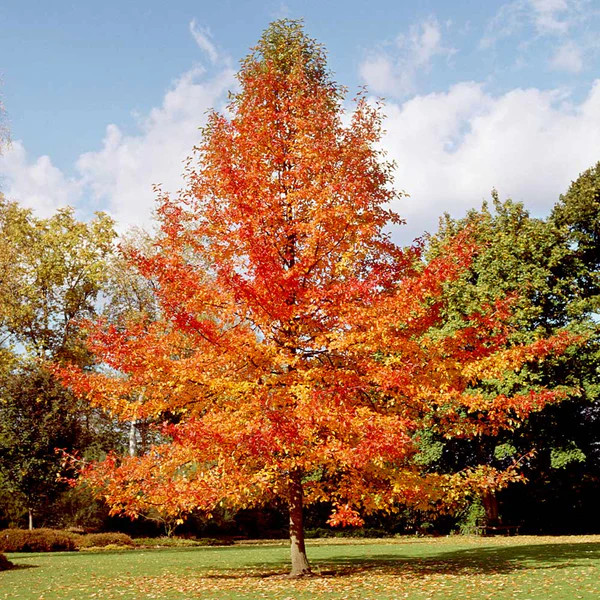
Tupelo Tree is a robust and elegant tree with a steady and reliable beauty from the ground up. The growth habit is naturally appealing and requires minimal shaping to achieve an attractive form. The trunk creates a substantial base with a slow taper, while the branching pattern extends evenly and elegantly. Leaves form a dense canopy with light penetration, creating a soft, serene shade.
This species is long-lived once established, with a consistent growth rate that adds structure and stability year after year. The tree thrives in open lawns, field edges, and as a specimen planting where its silhouette can be fully appreciated.
Tupelo Tree Is A Fast Grower
The growth habit of Nyssa sylvatica is understated but powerful. It takes its time to expand, steadily growing a lasting trunk and graceful limbs that enhance its surroundings. The uncomplicated beauty of the tree seamlessly integrates with other species, offering a serene background to other plants. The natural taper of the trunk and tapering top layer lend a graceful silhouette to the surrounding environment. Nyssa sylvatica may be appropriately described as a graceful giant with simplicity. Its quiet demeanor is a constant comfort, providing a timeless appeal to any landscape design. Its reliable form and ease of placement make it a popular choice for many applications. The natural balance of this tree allows it to complement the area’s existing flora, becoming a lasting part of any plan.
Tupelo Tree Landscape Characteristics
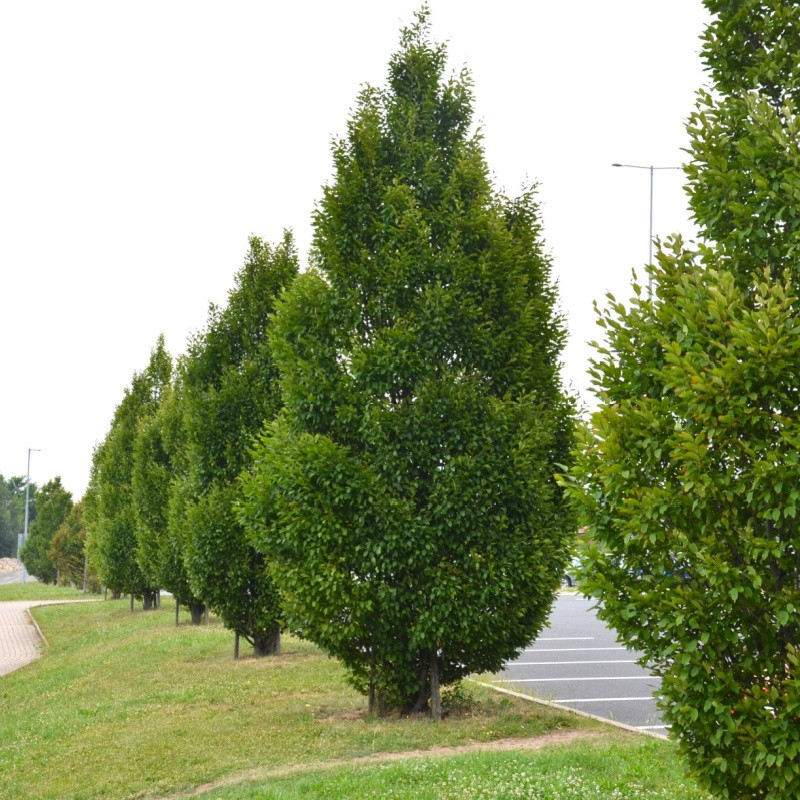
Starting life with a narrow, upright conic form, Nyssa sylvatica gradually widens into a more rounded, spreading structure over time. This transformation occurs naturally with age and maturity, resulting in a well-proportioned tree that requires minimal pruning or training. Branching tends to layer out in a manner that allows sunlight to filter through, giving nearby plants the opportunity to flourish. The leaf surface is glossy and clean in texture, giving the tree a fresh appearance throughout the growing season. As the canopy matures, it develops a rounded edge that is striking without being overbearing or dense. This balanced natural form allows the tree to fit in easily in many different contexts. As a foundational planting, Nyssa sylvatica often serves as the primary tree in open areas or the heart of a planting scheme. The tree is flexible to various soil varieties and is generally trouble-free in terms of establishment, allowing it to channel its energy into good growth habits. The tree has good longevity and reliability once it matures, offering a solid trunk and thick branches that add definition and interest to the landscape.
Tupelo TreeTupelo Tree Offers Seasonal Beauty
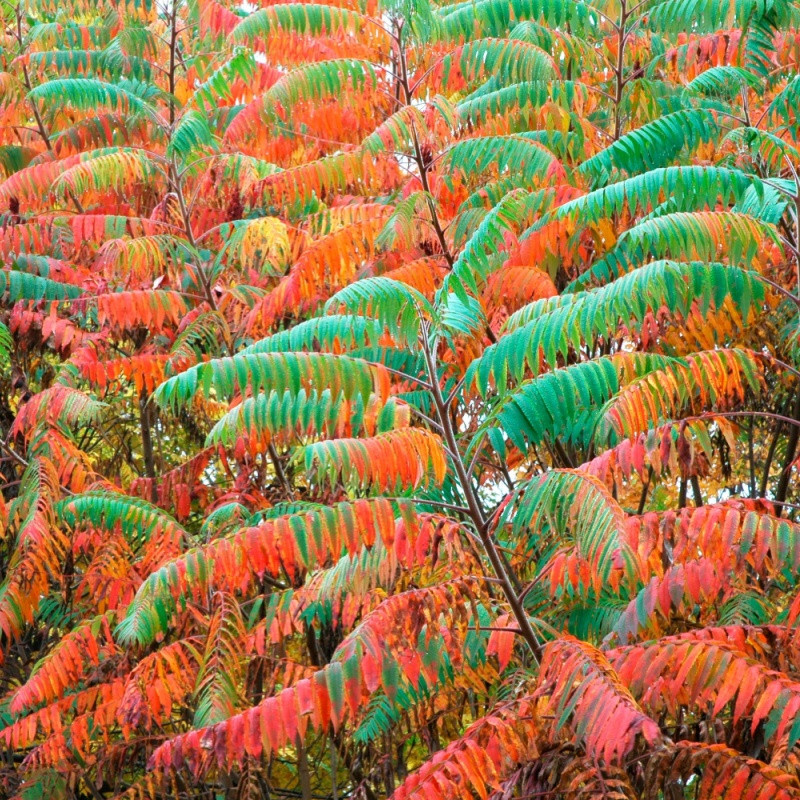
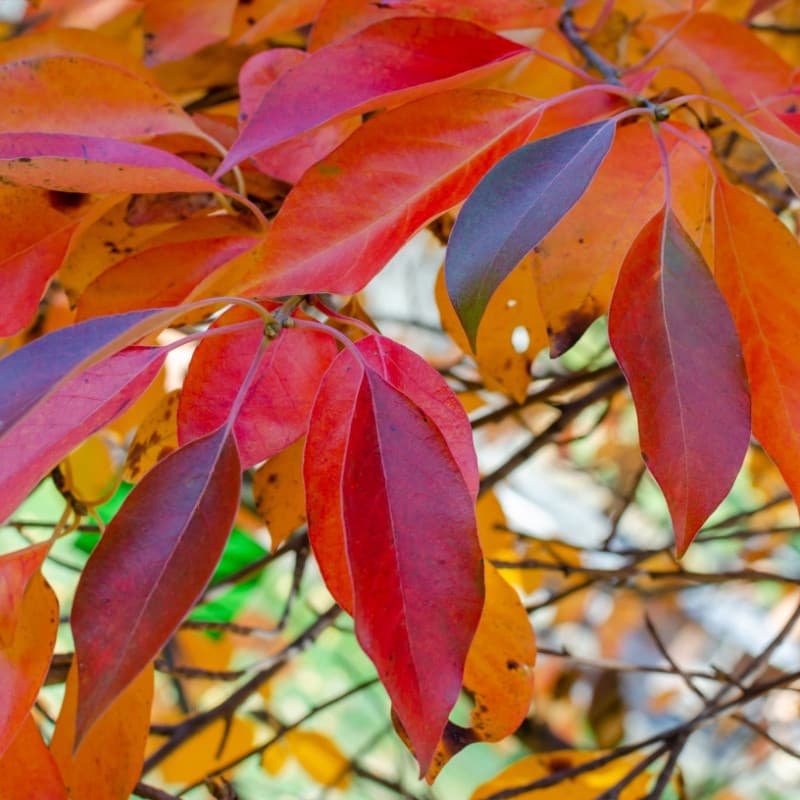
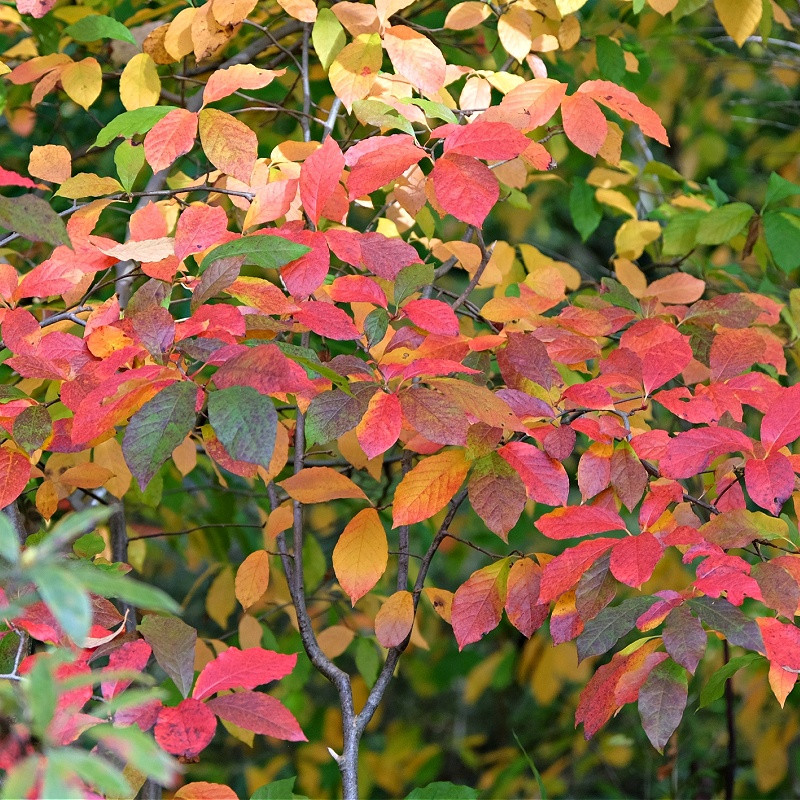
Nyssa sylvatica provides visual interest throughout the seasons, offering something to look forward to as the seasons pass. During the summer, the green foliage creates a soothing backdrop, cooling the surrounding area and blurring the landscape. The canopy moves gently in the breeze, imparting a sense of vitality and movement to the landscape. When the seasons change, the foliage turns color, giving a burst of warm hues to the area. The coloration process is gradual, providing a long-lasting period of enjoyment rather than an abrupt transition. This gradual shift creates a peaceful cadence to the outdoor environment. During colder months, when the foliage has died back, the branches maintain their form and offer a neat outline to the tree. Nyssa sylvatica has a good structural form even in winter, making it an attractive tree that continues to add to the space even when it is dormant.
Tupelo TreeHow To Use Tupelo Tree In Your Garden
Nyssa sylvatica works well in many planting designs, either as a focal specimen or as part of a larger natural landscape. It pairs well with native shrubs, wildflowers, and grasses, helping to create a natural balance in the space. Its upright form is also useful for planting along property lines or in open lawns where it has room to spread. Nyssa sylvatica is often found in spaces where long-term growth is a priority. Its steady growth rate and strong structure make it a good choice for homeowners who want a tree that will continue to look good for many years. The tree can fit into both natural and planned landscapes well. The Tupelo Tree brings value to the land, providing beauty without fuss. Its growth habit is purposeful, its shape is graceful, and its longevity makes it a permanent addition to the landscape. With a calm demeanor and natural presence, it is an attractive and timeless choice for many people.